Flea & Tick Treatment for Dogs Ireland - Tablets, Sprays & Collars | Dec's Pets
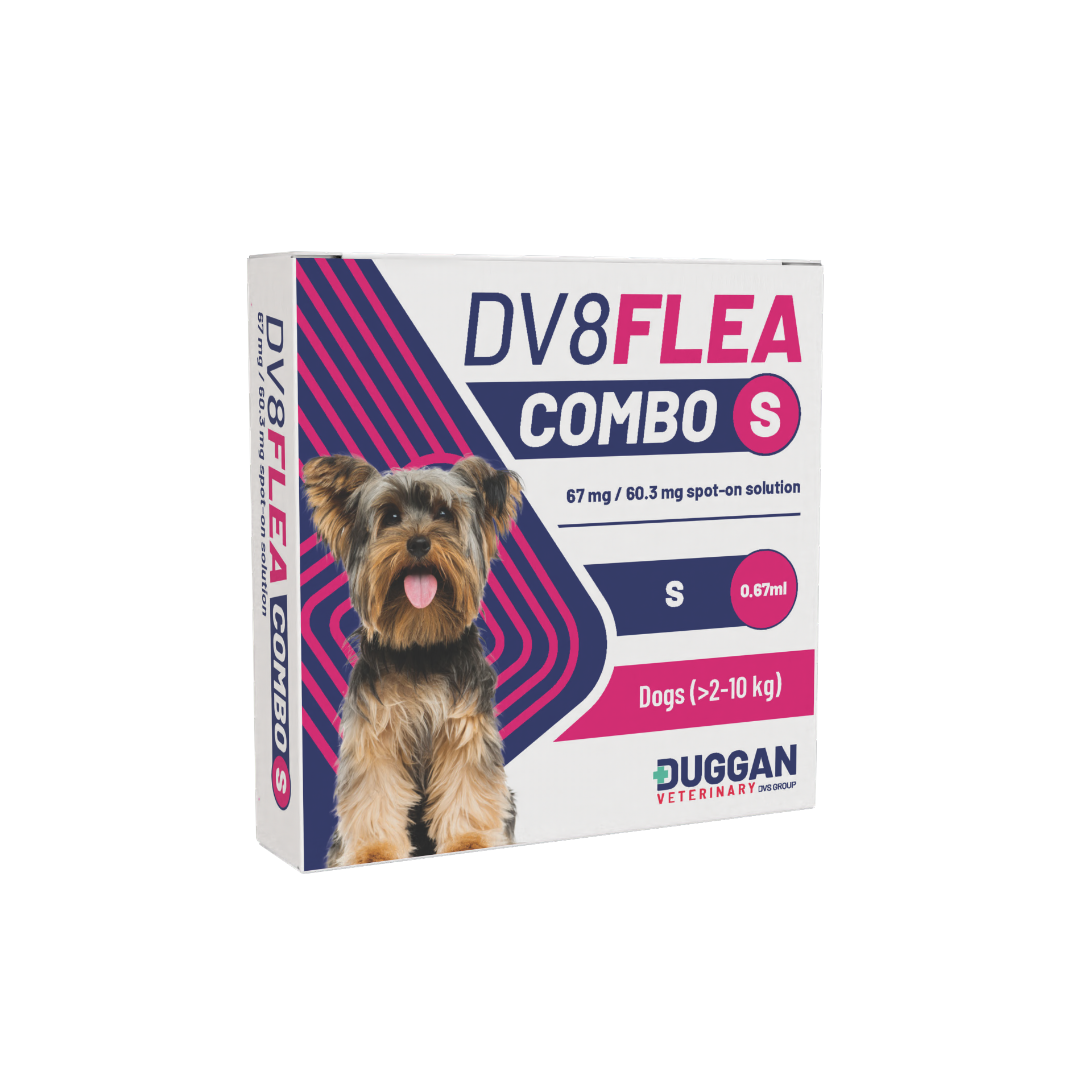
Protect your dog from fleas and ticks with Ireland’s most comprehensive range of flea and tick treatments at Dec’s Pets. We stock proven solutions including spot-on treatments, oral tablets, flea collars, sprays, and natural alternatives from trusted brands like Johnson’s, Bob Martin, and Beaphar.
Effective Flea Prevention for Irish Dogs
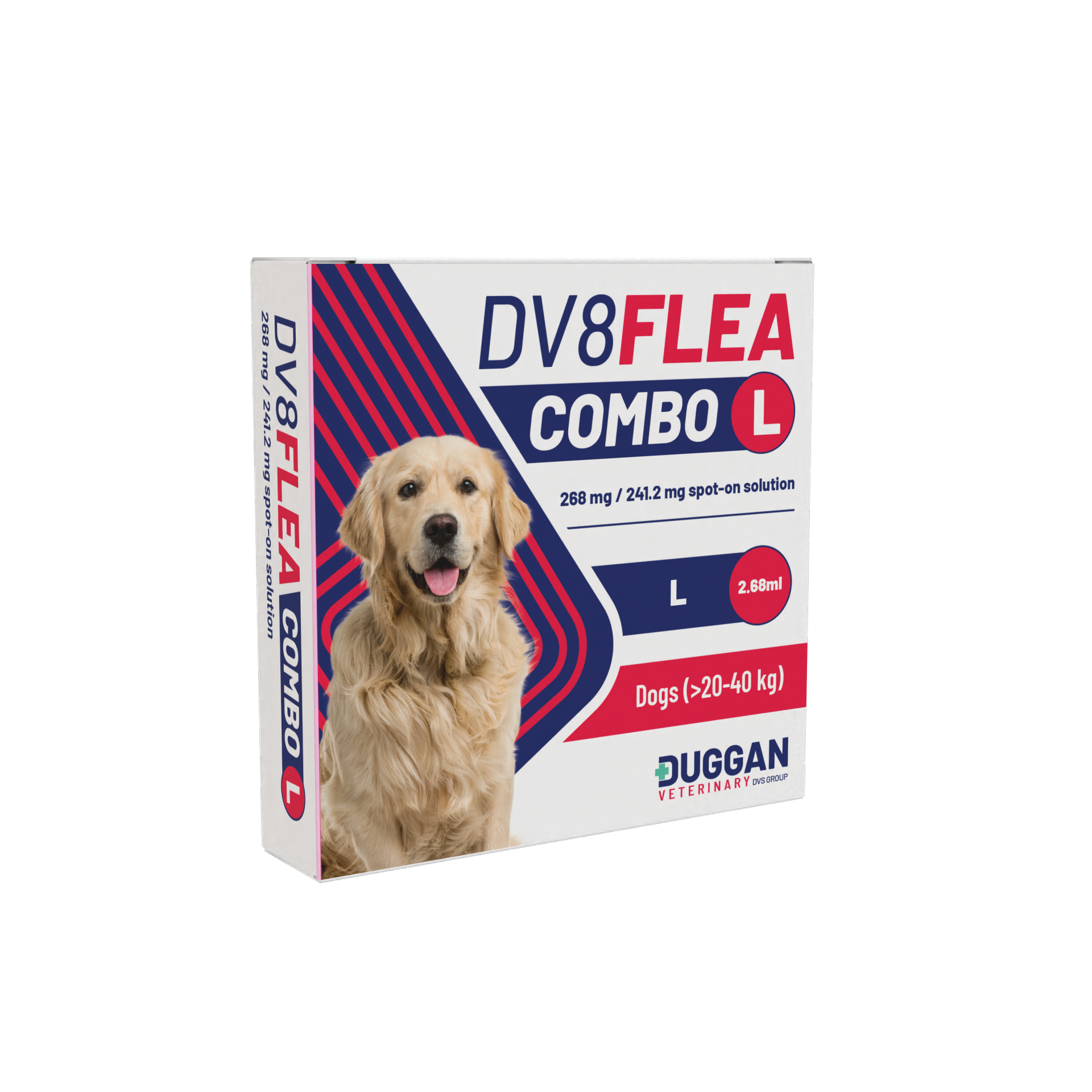
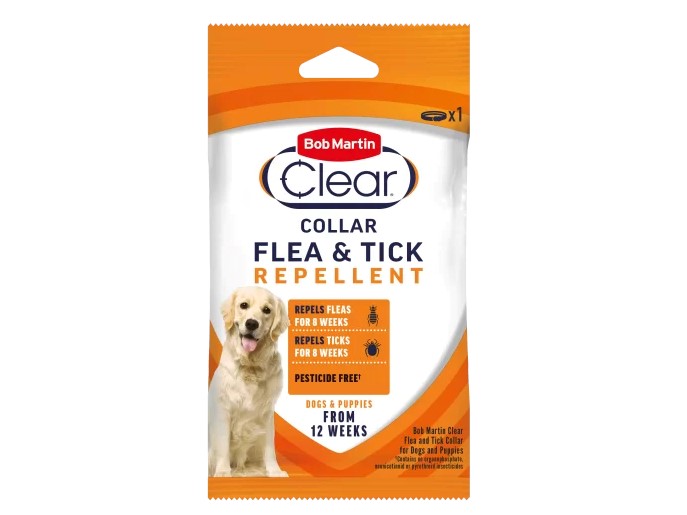
Ireland’s mild, damp climate creates ideal conditions for fleas and ticks year-round – not just in summer. Our range includes fast-acting flea tablets that kill adult fleas within 24 hours, long-lasting spot-on treatments providing 4-8 weeks of protection, and flea collars offering continuous defence for up to 8 months.
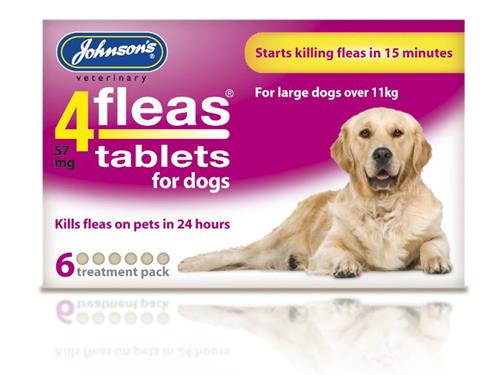
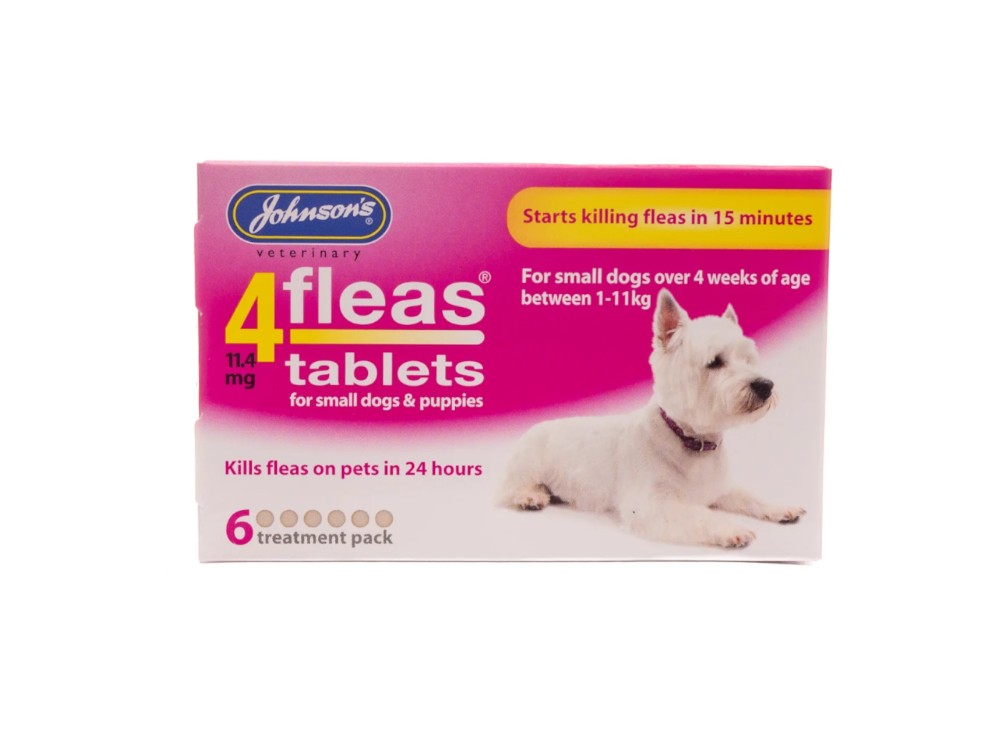
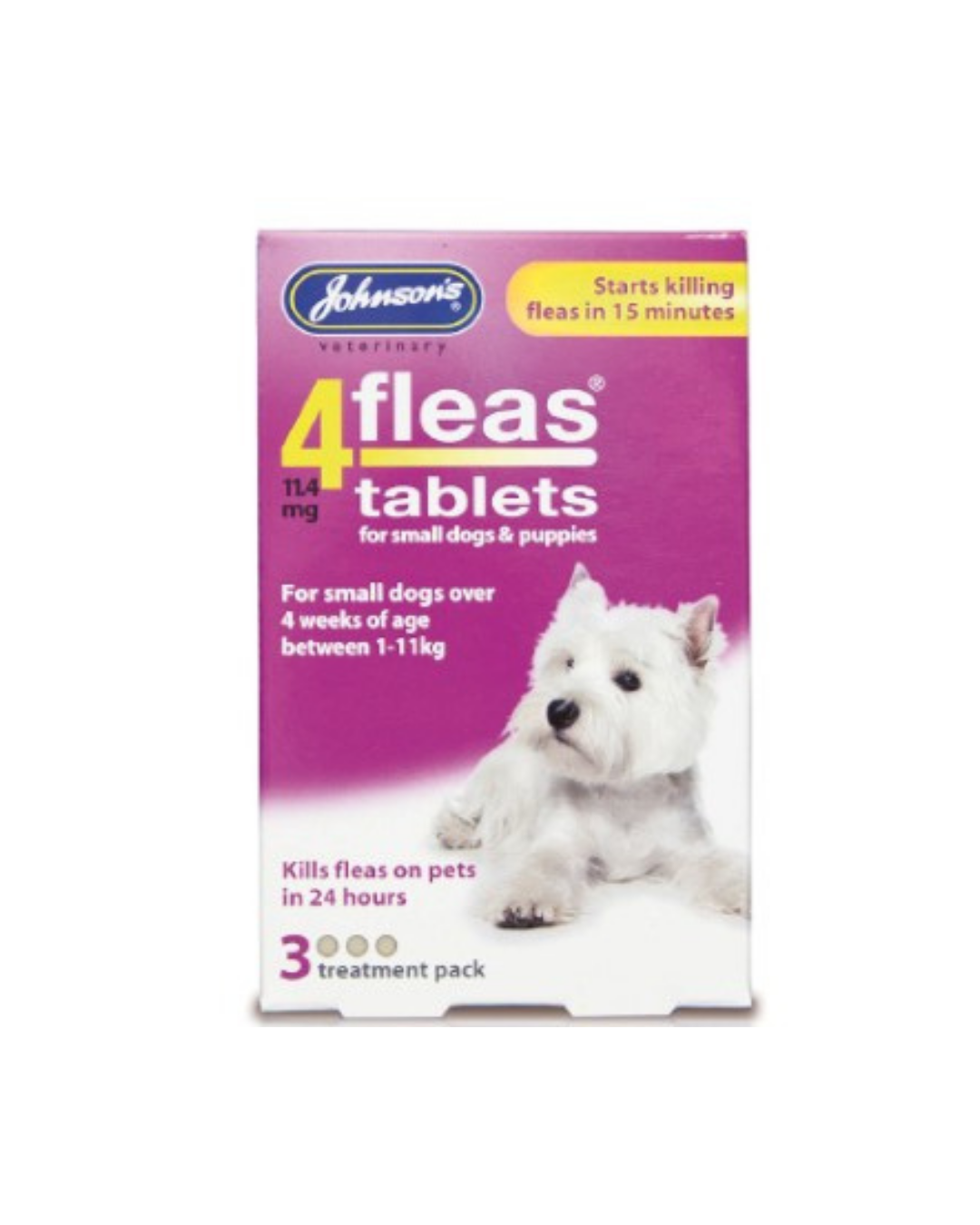
For tick prevention – increasingly important in Ireland with rising Lyme disease cases – we stock dedicated tick removers, tick collars, and combination products that target both fleas and ticks. Our Johnson’s 4Fleas range is particularly popular with Irish dog owners for its veterinary-grade effectiveness at affordable prices.
Home Treatment Solutions
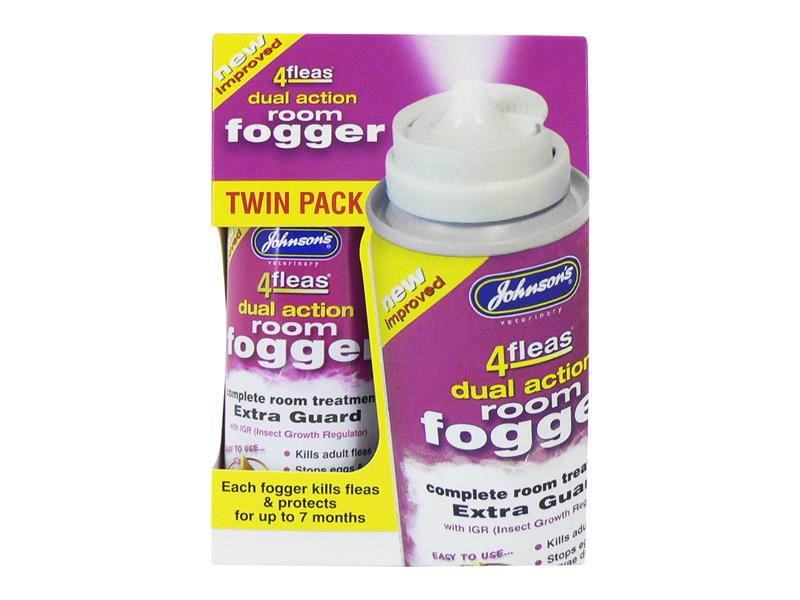
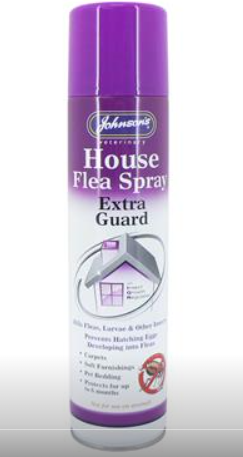
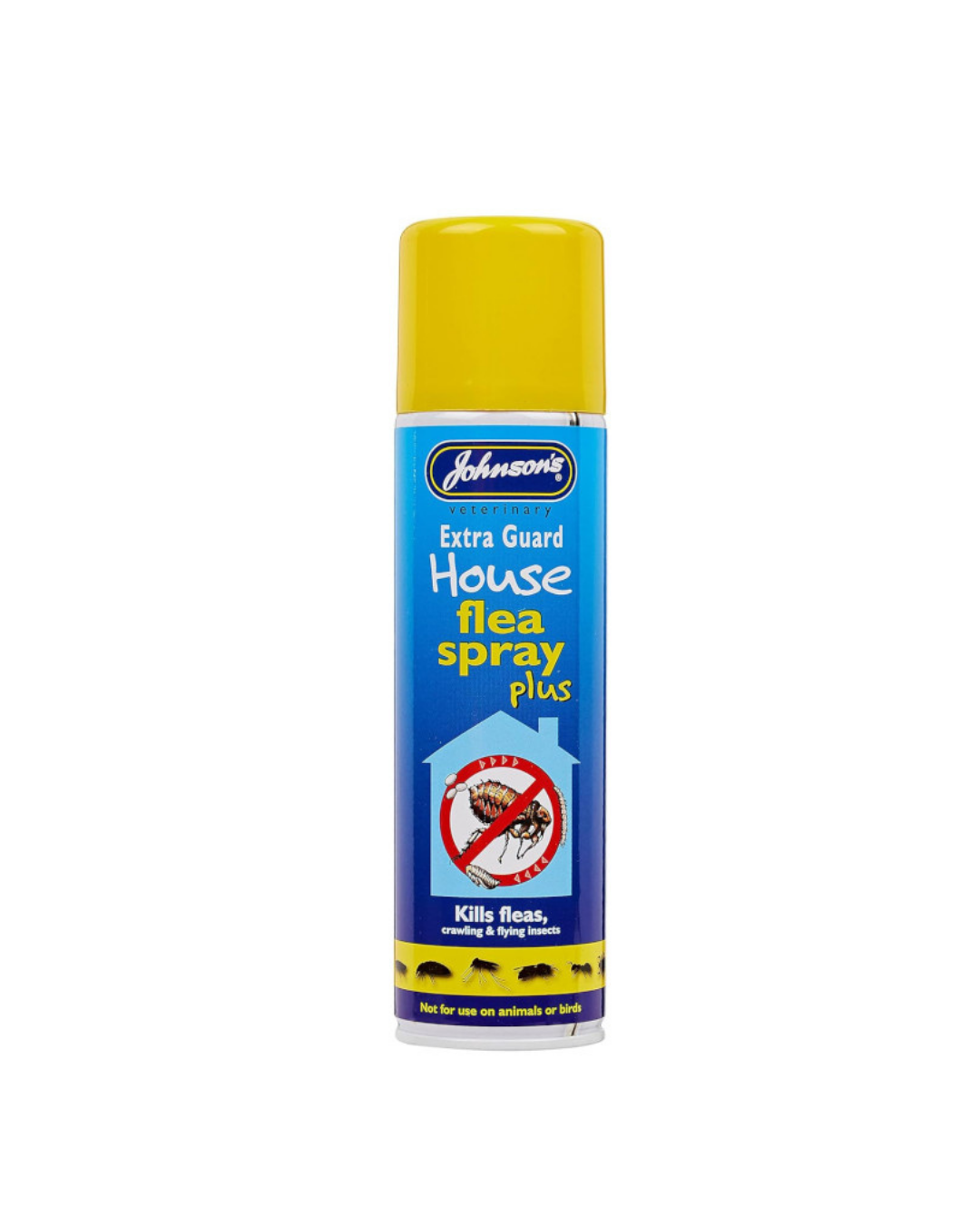
Treating your dog is only half the battle – flea eggs and larvae hide in carpets, bedding, and furniture. Our household flea sprays and foggers eliminate infestations at source, breaking the flea lifecycle. Johnson’s House Flea Spray treats up to 40 square metres and provides protection for up to 12 months.
Natural & Chemical-Free Options
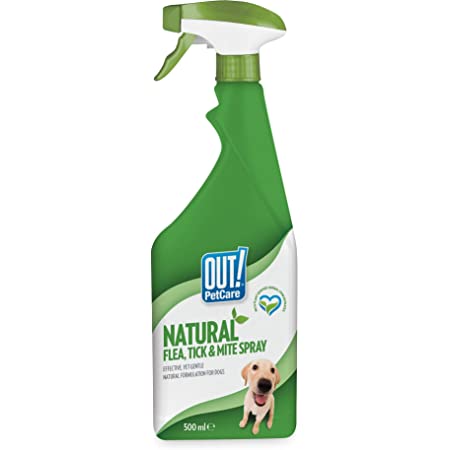
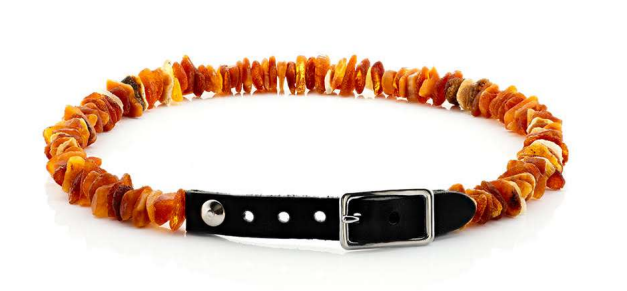
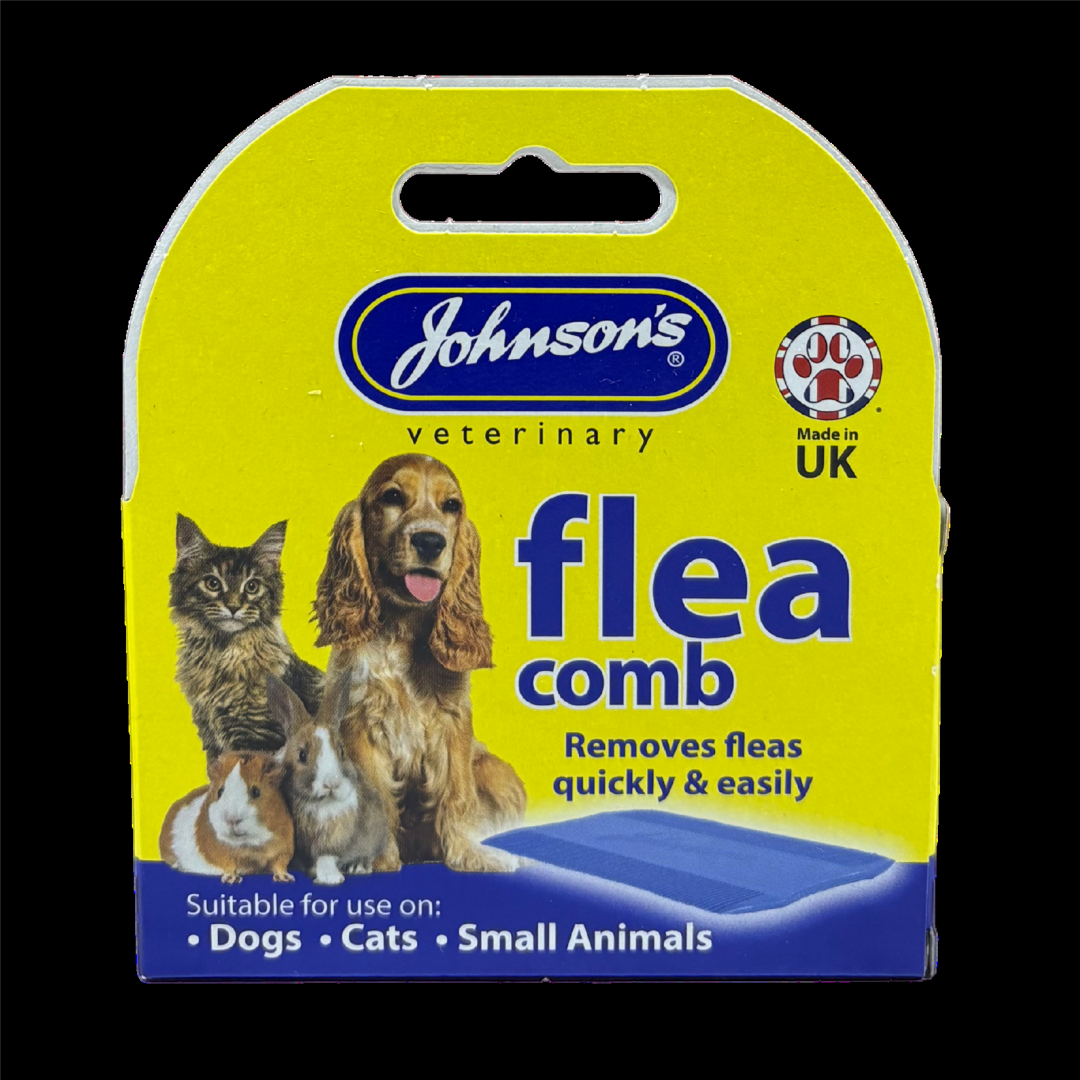
For pet owners preferring natural solutions, we stock amber flea collars (believed to create a static charge that repels parasites), flea combs for manual removal, and natural repellent sprays using essential oils. While these require more frequent application, they’re safe for puppies, pregnant dogs, and chemically-sensitive pets.
Expert Advice & Fast Delivery
Not sure which treatment suits your dog? Our team provides free advice based on your dog’s weight, age, and lifestyle. We deliver nationwide across Ireland (free over €45) with most orders arriving within 1-2 business days. Subscribe & Save to get 10% off regular flea treatments and never miss a dose.
Showing all 24 resultsSorted by popularity
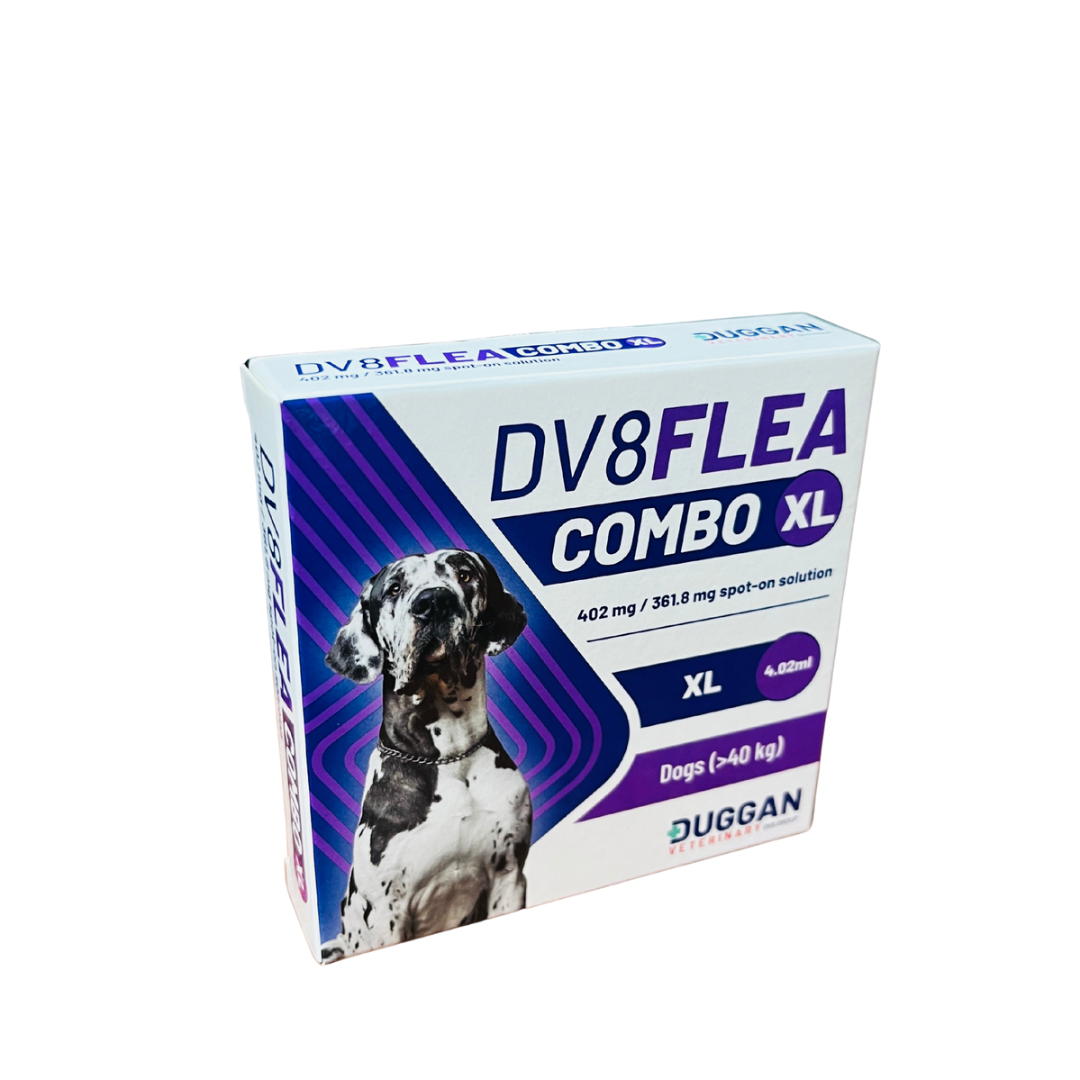
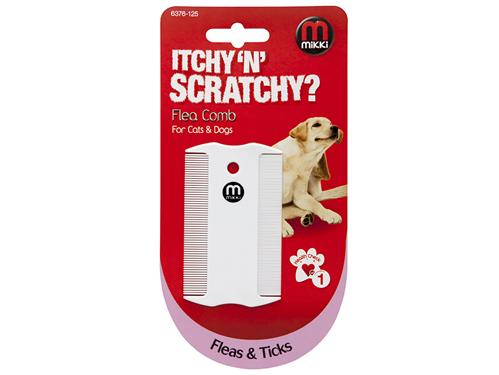
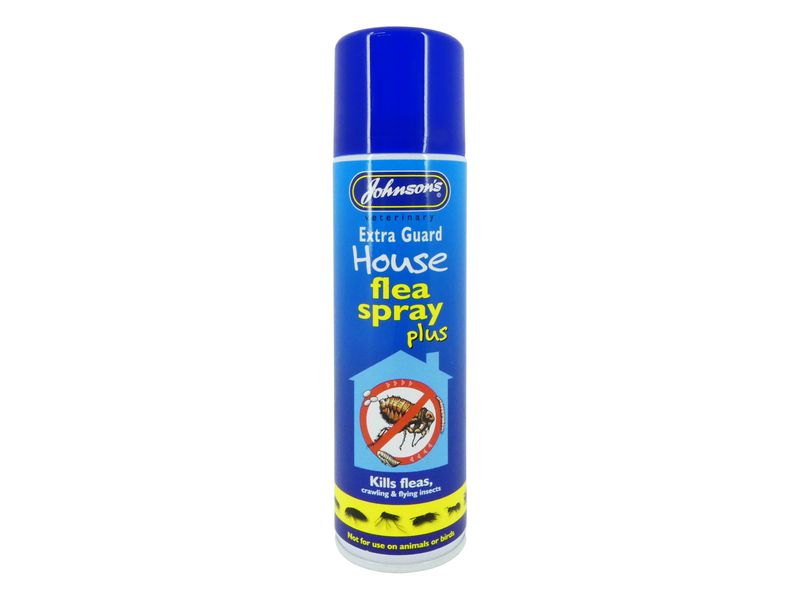
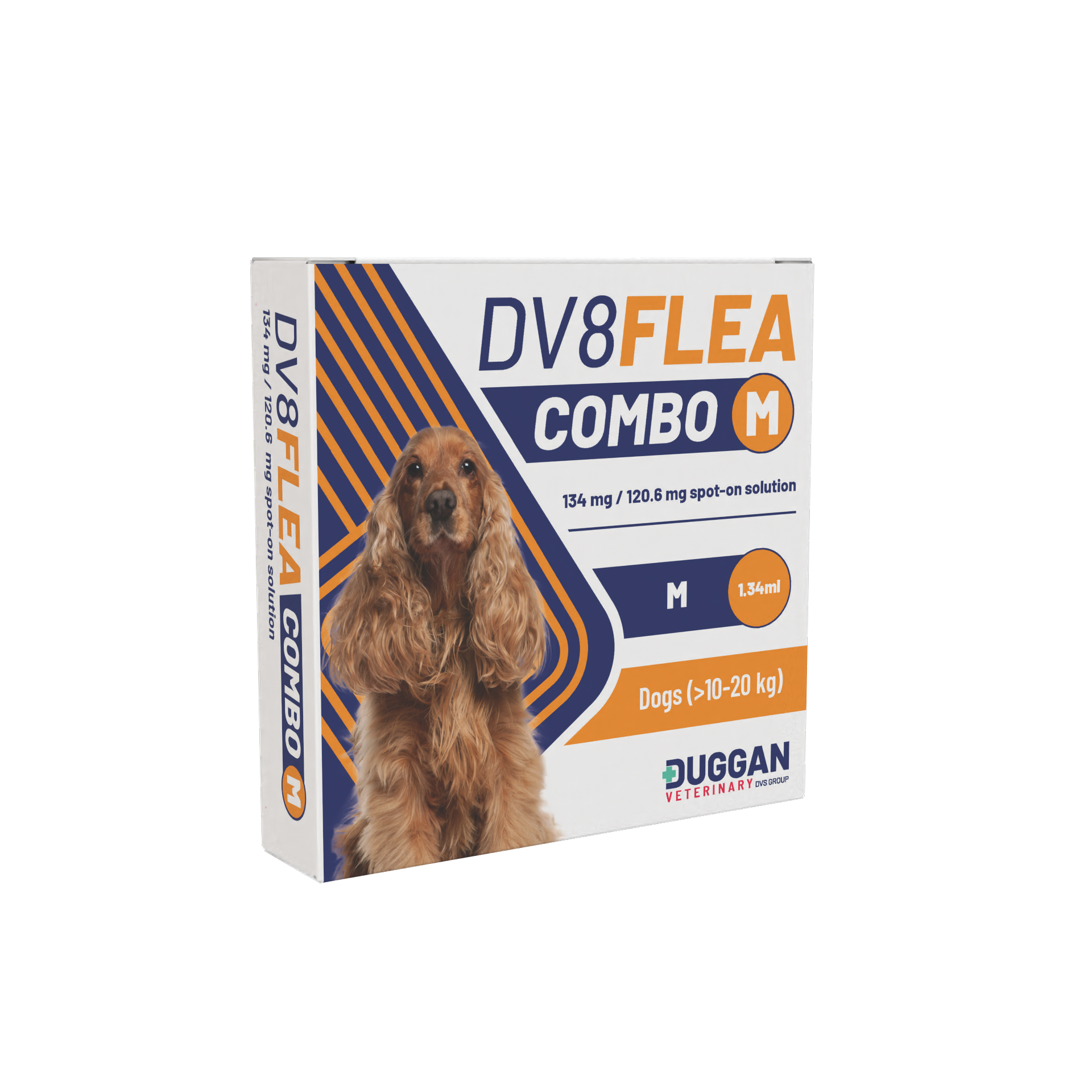
Look What's New

Understanding Ireland’s Flea Season
Unlike colder countries where fleas die off in winter, Ireland’s mild climate (average winter temperatures of 5-8°C) allows fleas to survive year-round. Centrally-heated homes create perfect breeding conditions – a single flea can lay 50 eggs daily, leading to thousands within weeks.
The Flea Lifecycle
- Adult fleas (5% of infestation): Live on your dog, bite, and lay eggs
- Eggs (50%): Fall off into carpets and bedding, hatch in 2-14 days
- Larvae (35%): Feed on flea dirt in carpets, develop for 5-11 days
- Pupae (10%): Cocoon stage lasting 5 days to 12 months
This is why treating only your dog isn’t enough – you must break the lifecycle by treating your home.
Tick Hotspots in Ireland
Ticks are increasingly common in Irish counties including Wicklow, Kerry, Cork, Galway, and Donegal. High-risk areas include:
- Woodlands and forests
- Long grass and bracken
- Areas with deer populations
- Coastal paths and sand dunes
- Sheep farming areas

Your questions answered (FAQs)
The most effective flea treatments combine three approaches: treating your dog, treating your home, and preventing reinfestation. For dogs, oral tablets like Johnson’s 4Fleas work fastest (killing adult fleas within 24 hours), while spot-on treatments provide longer protection (4-8 weeks). Flea collars like Bob Martin offer continuous defence for up to 8 months. For homes, use household flea sprays or foggers to kill eggs and larvae in carpets and furniture. In Ireland, year-round prevention is crucial due to our mild climate – fleas don’t die off in winter like they do in colder countries.
Treatment frequency depends on the product type. Oral flea tablets work for 24 hours and are used as needed during active infestations. Spot-on treatments last 4-8 weeks and should be applied monthly during peak season (March-November) or year-round in mild areas. Flea collars provide 6-8 months of continuous protection. For ticks, which are increasingly common in Irish woodlands and long grass, use monthly spot-on treatments or tick collars from March through October. Always follow the product instructions and never double up on treatments without veterinary advice.
No – puppies require age-appropriate flea treatments. Most flea products are only safe for puppies over 8-12 weeks old and above a certain weight (usually 2kg). For young puppies, use a flea comb and mild puppy-safe shampoo. Bob Martin’s puppy-specific flea collar is designed for dogs from 12 weeks. Always check the product label for minimum age and weight requirements. Using adult-strength products on puppies can cause serious side effects including vomiting, seizures, and skin irritation.
Natural flea treatments like amber collars, essential oil sprays, and herbal repellents can help prevent light infestations but are less effective than chemical treatments for active flea problems. Amber collars (like our Amberdam range) work through static electricity that reportedly repels fleas – they’re popular for chemical-sensitive dogs but require consistent use. Flea combs are effective for removing adult fleas but don’t prevent reinfestation. For Ireland’s year-round flea pressure, most vets recommend chemical prevention with natural methods as supplementary support.
Use a proper tick remover tool (like our Trixie Tick Remover or Tick Tweezers) – never pull with fingers or burn the tick. Slide the remover under the tick as close to your dog’s skin as possible, then twist gently and pull straight up with steady pressure. Don’t jerk or twist sharply as this can leave the head embedded. Clean the bite area with antiseptic. Save the tick in a sealed bag with the date – if your dog develops symptoms (lethargy, joint pain, fever) within 3 months, your vet can test it for Lyme disease. Check your dog after walks in long grass, woodlands, or areas with deer.
Flea tablets work from inside your dog’s body – when fleas bite, they ingest the active ingredient and die within 24 hours. Tablets like Johnson’s 4Fleas are fast-acting and ideal for active infestations, but most only last 24 hours so they’re not suitable for prevention. Spot-on treatments are applied to your dog’s skin (usually between shoulder blades) and spread through the coat via skin oils, killing fleas on contact for 4-8 weeks. Spot-ons are better for prevention and often include tick protection. Choose tablets for quick knockdown of existing fleas, spot-ons for ongoing monthly prevention.
Seeing fleas after treatment is normal for the first 24-48 hours as the product takes effect. However, if fleas persist beyond 3 days, you likely have a home infestation. Flea eggs and larvae (which make up 95% of a flea population) live in carpets, furniture, and bedding – not on your dog. Treating your dog only kills the 5% of adult fleas actually on them. Use household flea spray like Johnson’s House Flea Spray to eliminate eggs and larvae. Vacuum daily (immediately dispose of the bag), wash all bedding at 60°C, and retreat your dog according to product instructions. Breaking the flea lifecycle takes 2-3 months of consistent treatment.
Yes – Irish ticks can transmit Lyme disease, which causes joint pain, fever, lethargy, and in severe cases, kidney damage. Tick populations are increasing in Ireland, particularly in wooded areas, long grass, and places with deer. The highest risk period is March-October when ticks are most active. Check your dog thoroughly after walks in risk areas, focusing on ears, armpits, groin, and between toes. Remove ticks within 24 hours to reduce disease transmission risk. Consider year-round tick prevention if you regularly walk in woodlands or rural areas.
Yes – indoor dogs can absolutely get fleas in Ireland. Fleas enter homes on clothing, other pets, through open doors/windows, or from previous infestations in carpets (flea pupae can survive dormant for months). Even dogs that only go out for toilet breaks are at risk. Ireland’s centrally-heated homes provide ideal year-round conditions for flea breeding. Prevent infestations by treating all household pets (including cats), vacuuming regularly, and using preventative flea treatments even for indoor-only dogs.
Yes, we deliver all flea and tick treatments nationwide across Ireland with free delivery on orders over €45. Most orders arrive within 1-2 business days. Set up Subscribe & Save to get automatic deliveries of your regular flea prevention products and save 10% on every order. This ensures you never miss a monthly treatment dose and maintains consistent protection for your dog.