Fish Supplies Ireland - Aquarium, Pond & Tropical Fish Products | Dec's Pets
Welcome to Ireland’s most comprehensive fish and aquatic supplies store at Dec’s Pets. Whether you’re setting up your first goldfish bowl, maintaining a tropical aquarium, or managing an outdoor pond, we stock everything you need to keep your aquatic pets healthy and thriving.
Complete Aquarium & Pond Supplies
Our fish department caters to beginners and experienced aquarists alike. We stock premium brands including Tetra, API, NT Labs, Blagdon, and King British, offering quality products at competitive prices with fast delivery across Ireland.
What We Stock:
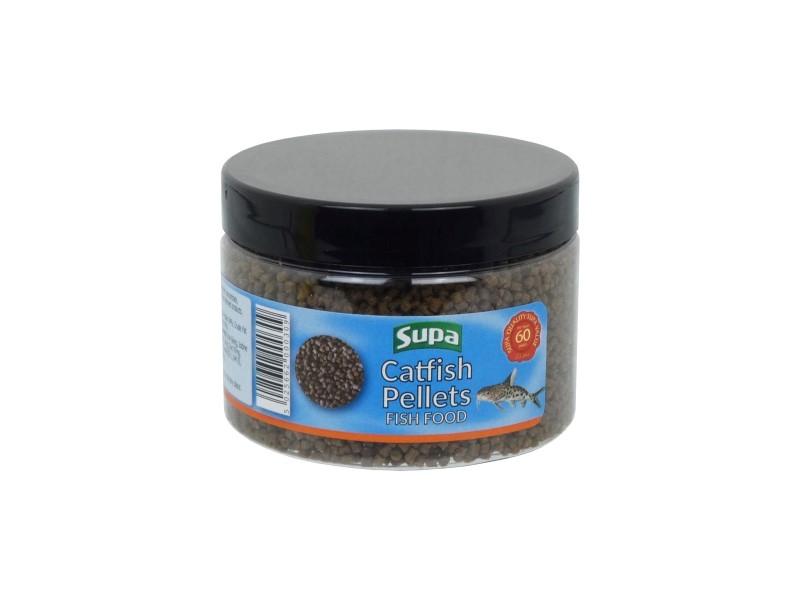
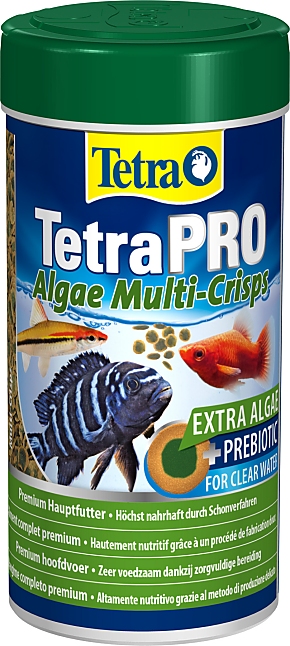
• Fish Food – Species-specific nutrition for goldfish, tropical fish, and pond fish
• Tanks & Accessories – Starter kits, filters, heaters, lighting, and air pumps
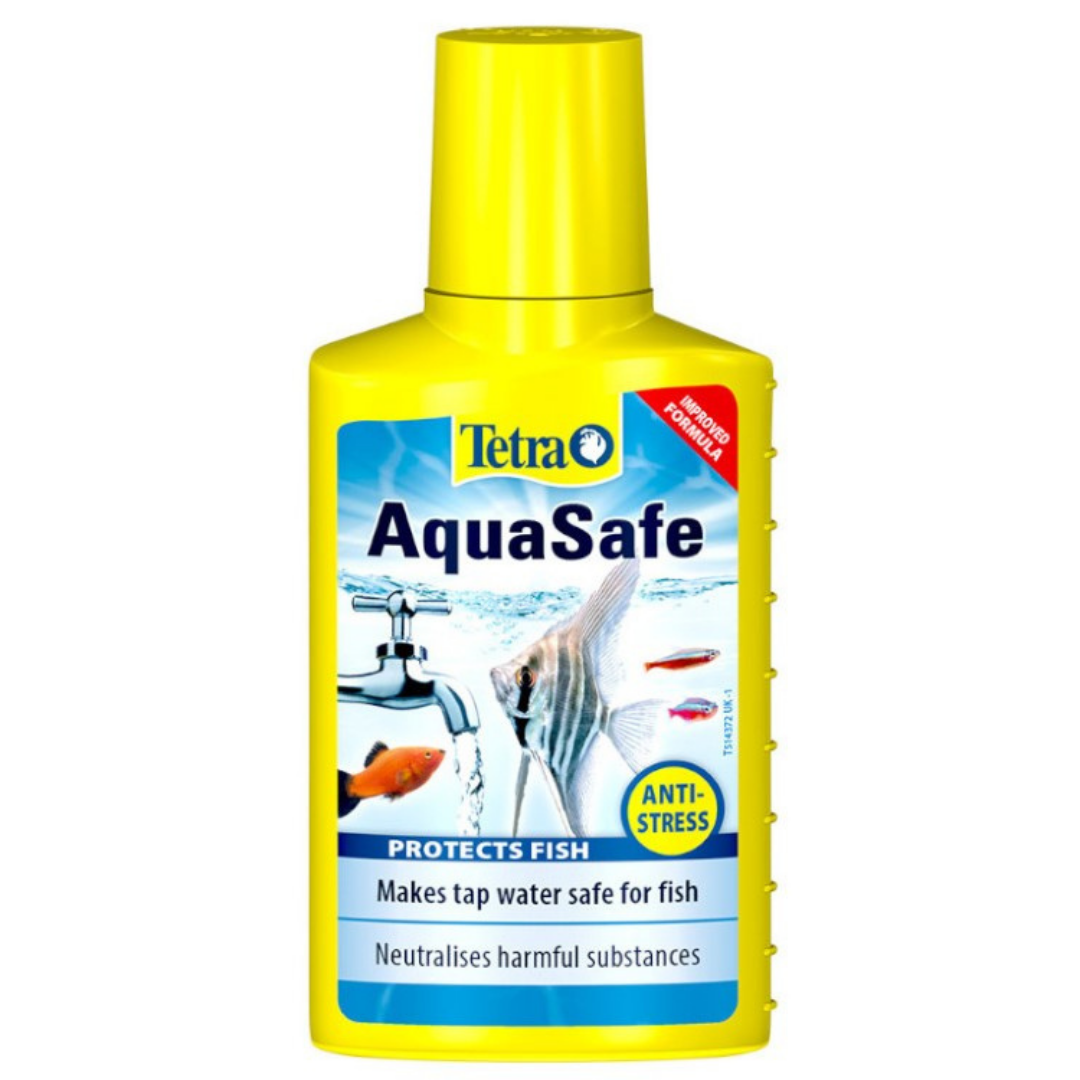
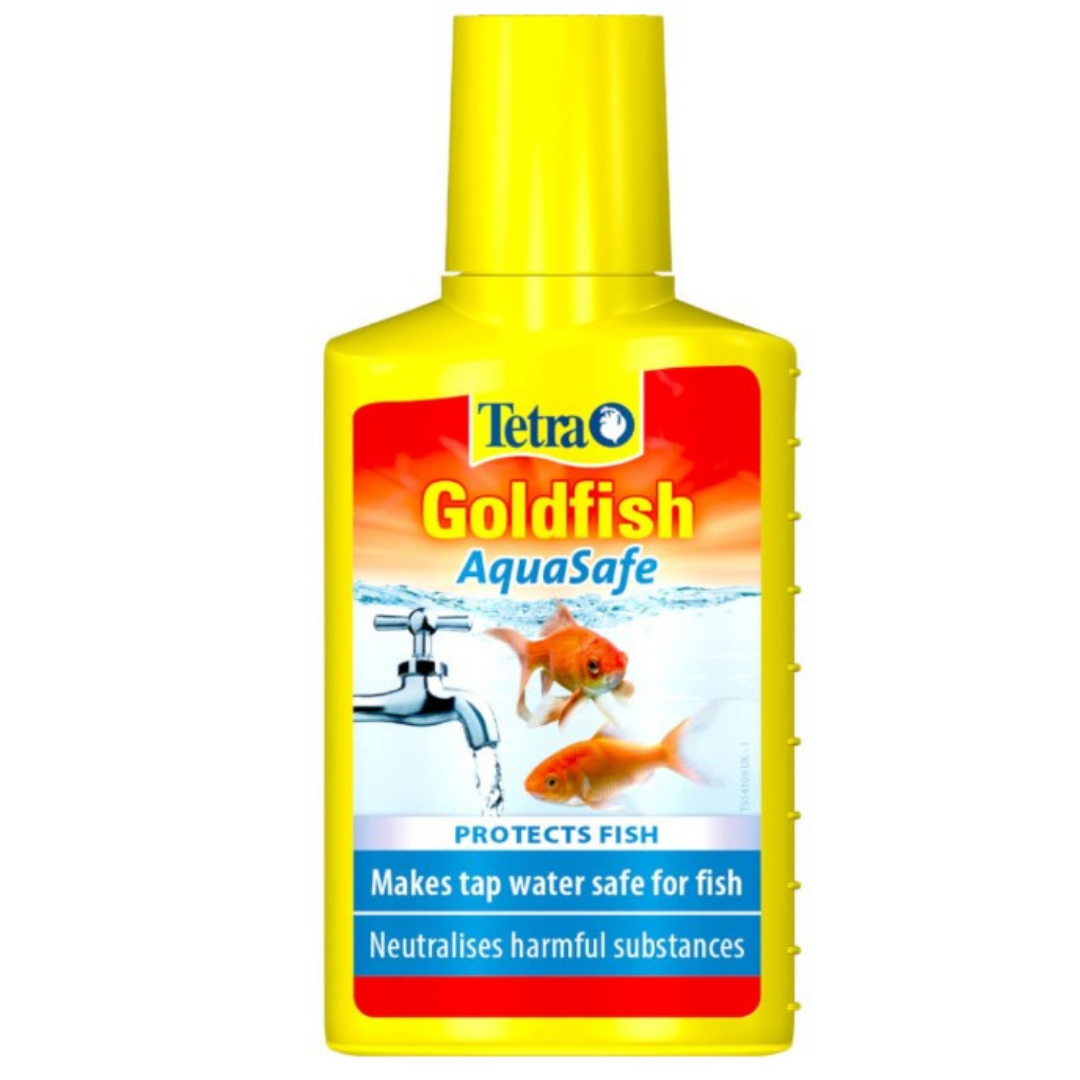
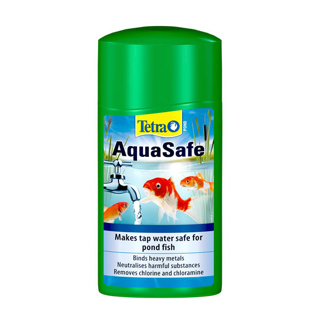
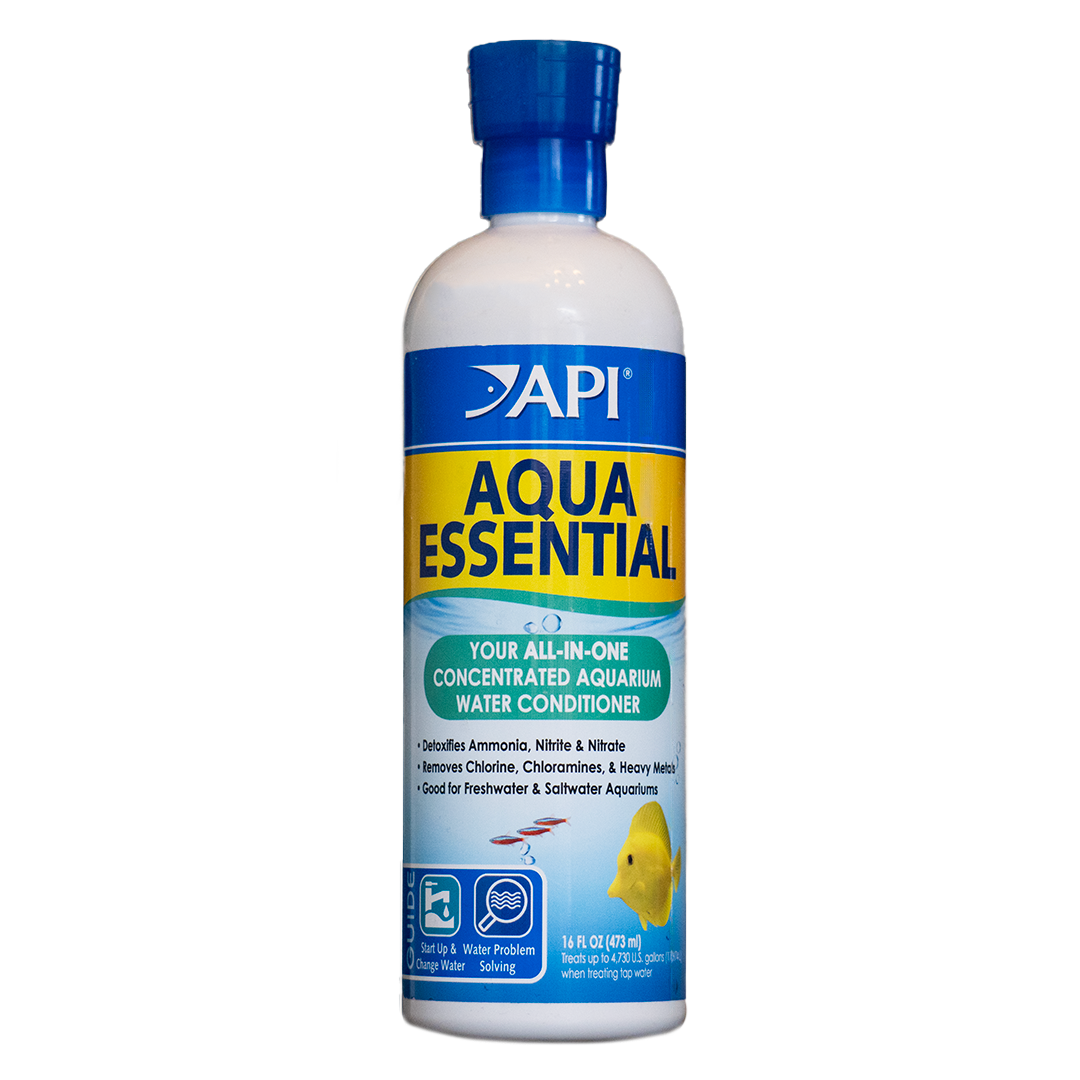
• Water Treatment – Essential dechlorinators for Irish tap water, pH adjusters, and algae treatments
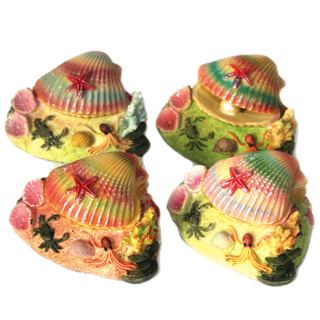
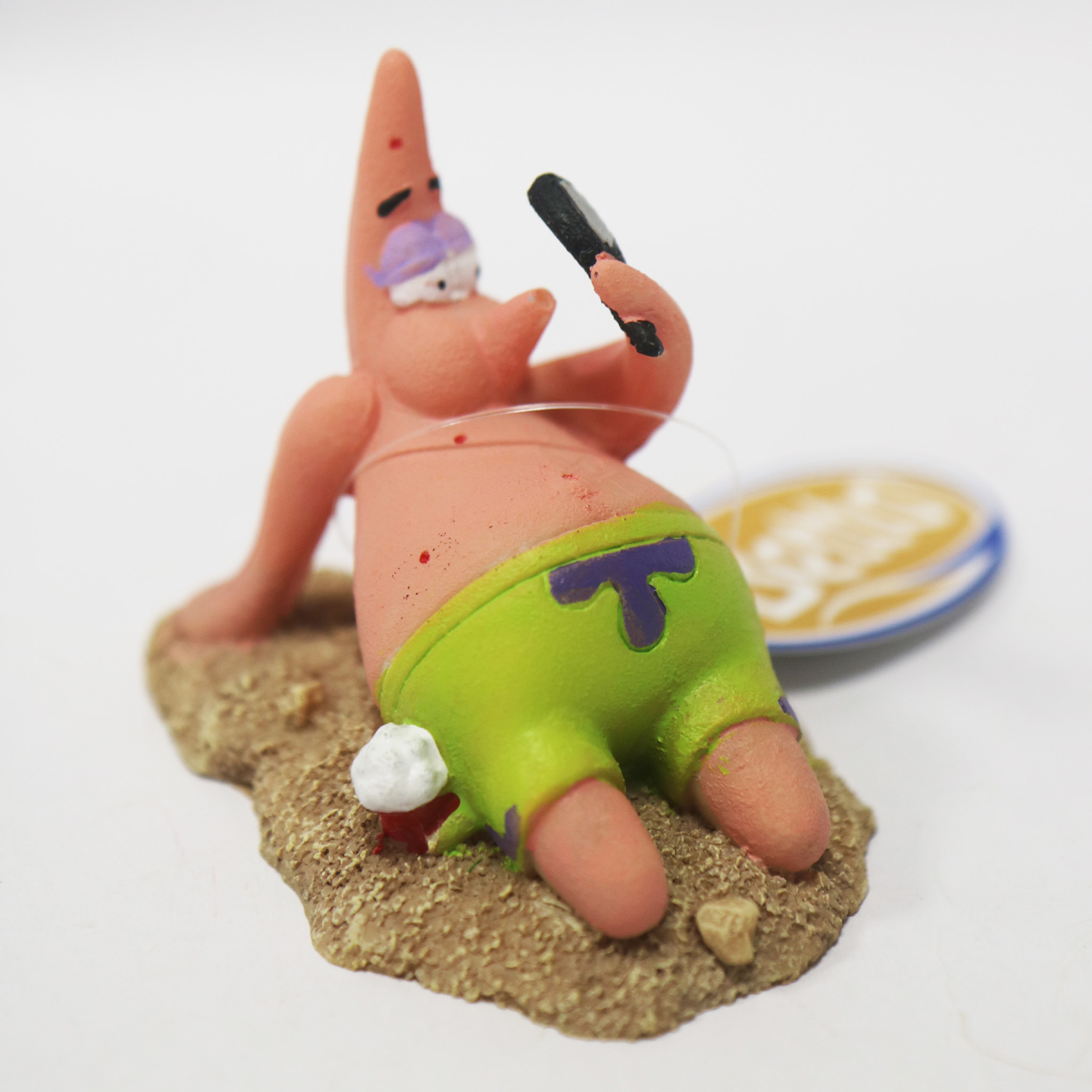
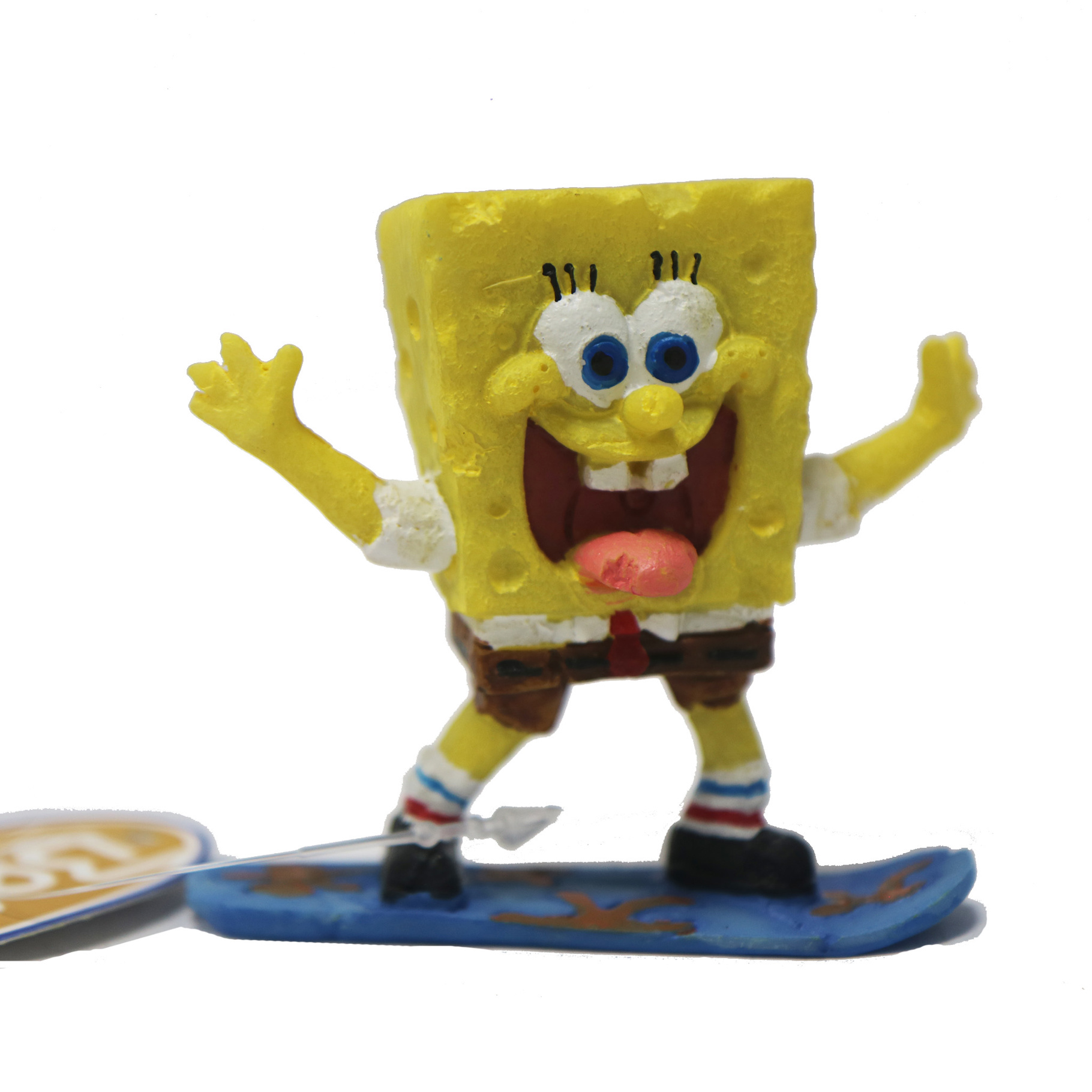
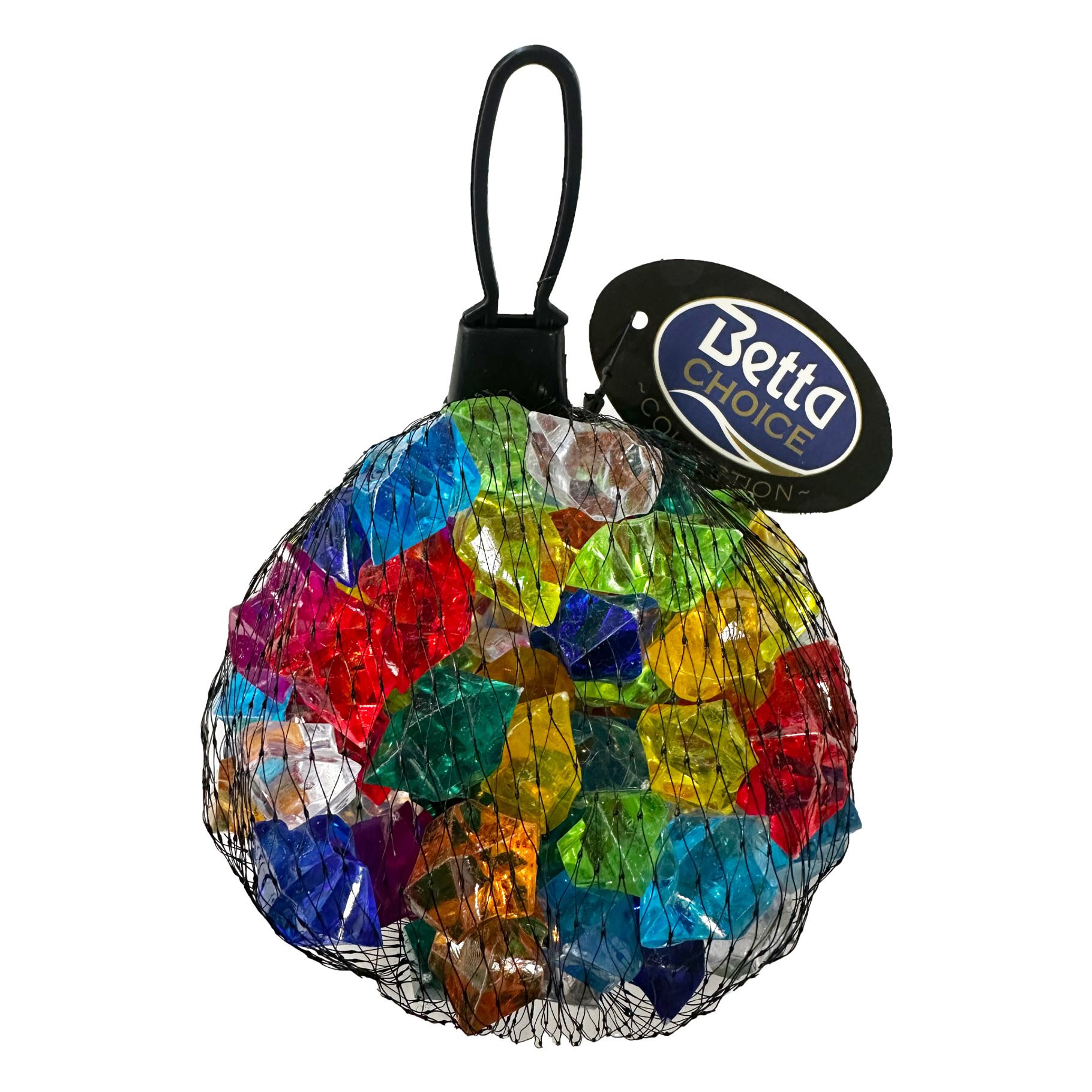
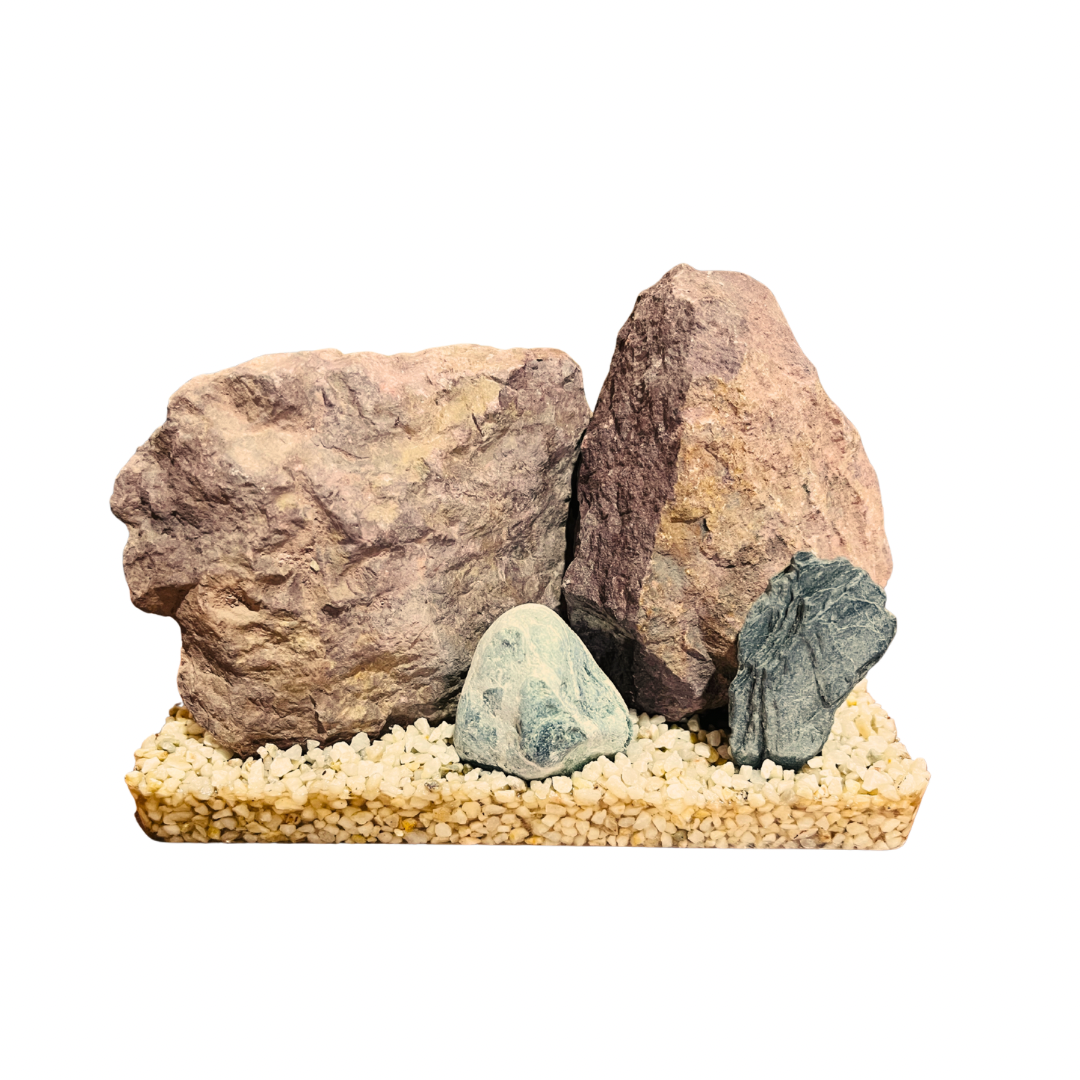
• Aquarium Décor – Ornaments, plants, substrates, and decorations
• Pond Care – Food, water treatments, blanketweed control, and barley straw products
Ireland’s temperate climate is ideal for outdoor ponds, while our cooler room temperatures (18-22°C) are perfect for goldfish without heaters. Tropical fish require heaters to maintain 24-27°C.
Expert Advice & Fast Delivery
Not sure which filter size you need or what fish are compatible? Our team provides free expert advice for all your fishkeeping questions. We deliver nationwide across Ireland (free over €45) with most orders arriving within 1-2 business days. Subscribe & Save to get 10% off regular supplies like fish food and water treatments.
Popular Categories

Showing 91–120 of 226 resultsSorted by popularity


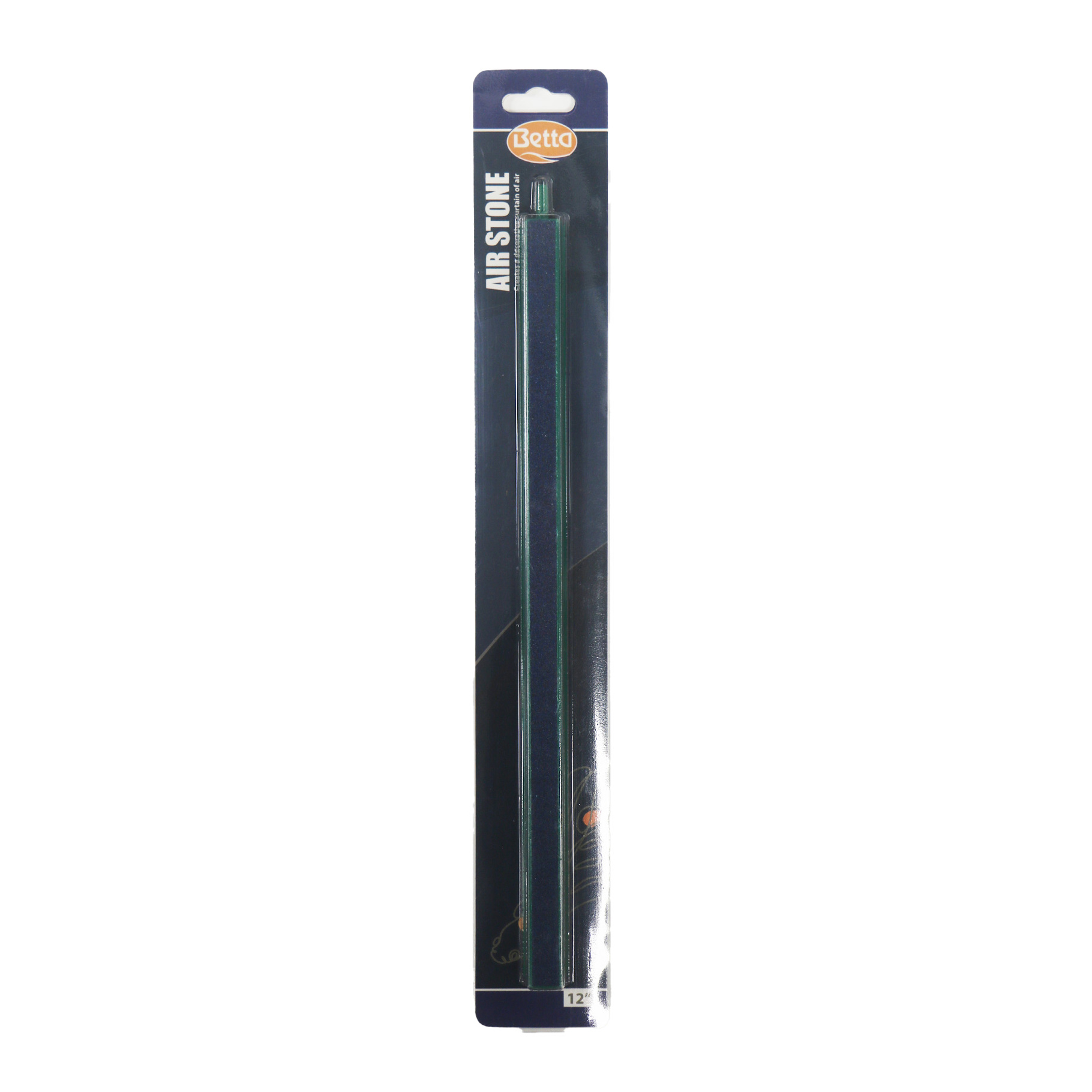
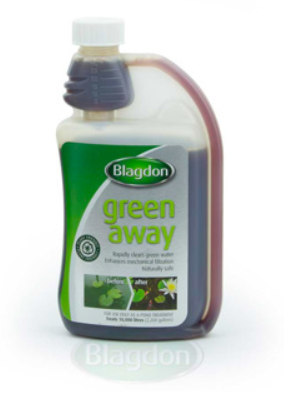
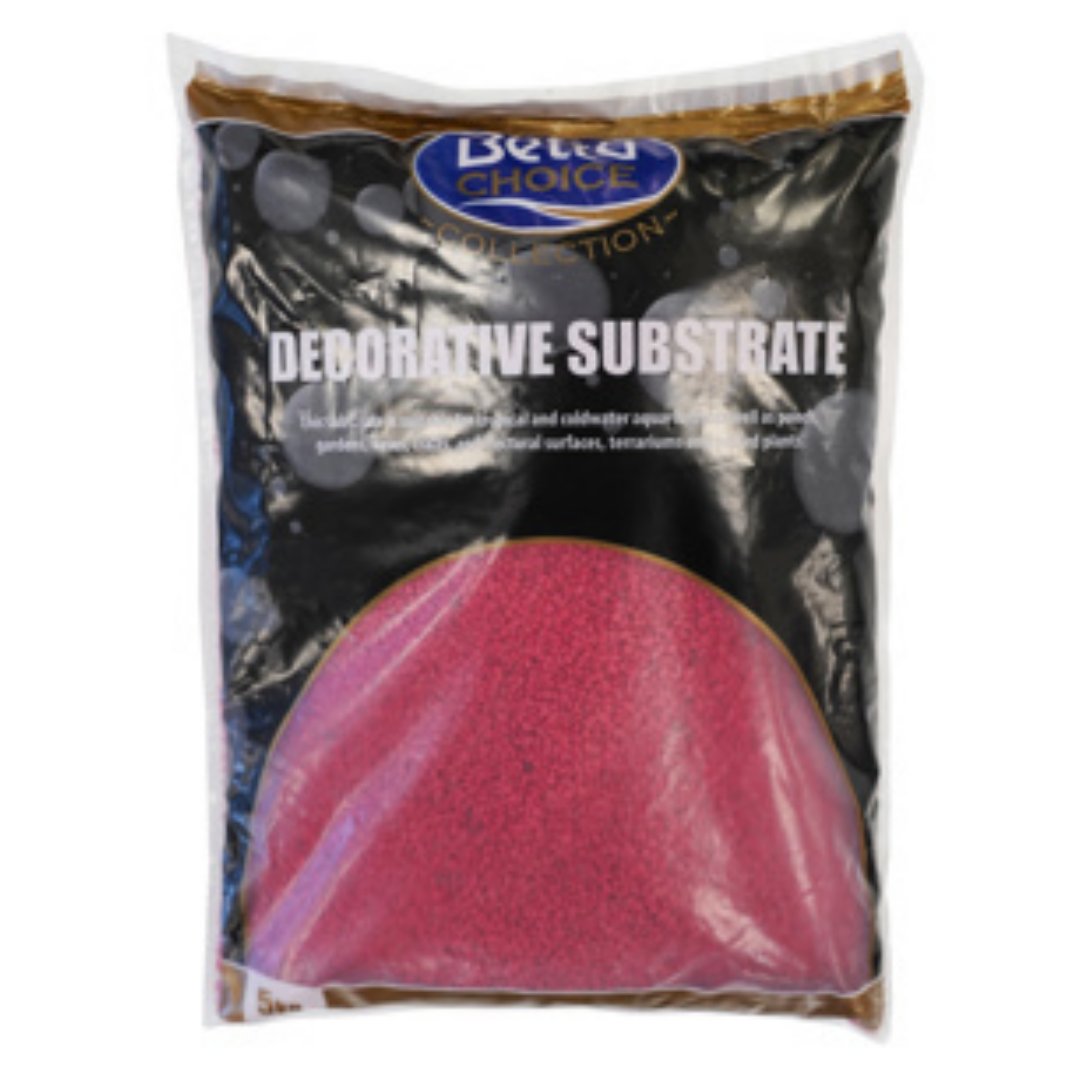
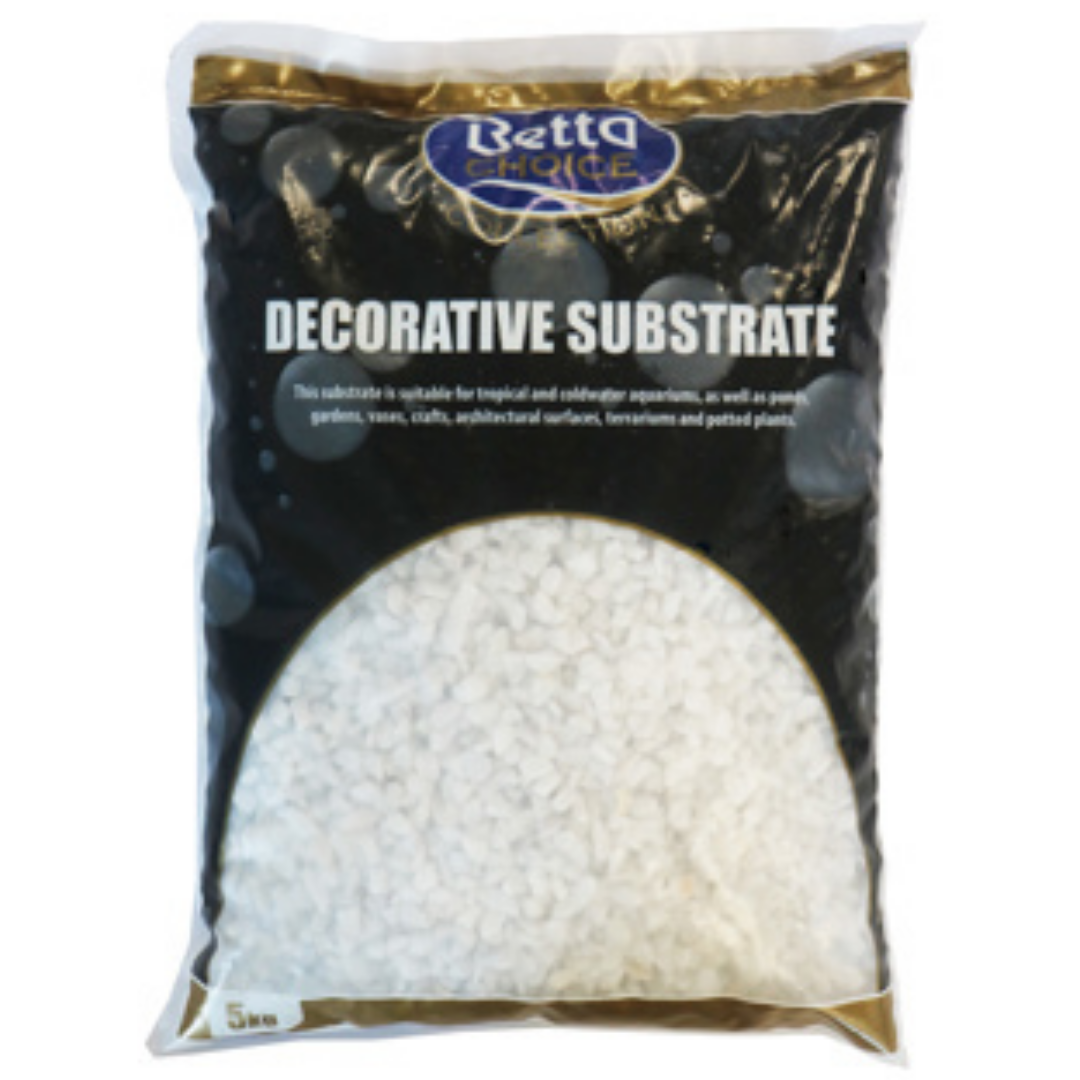
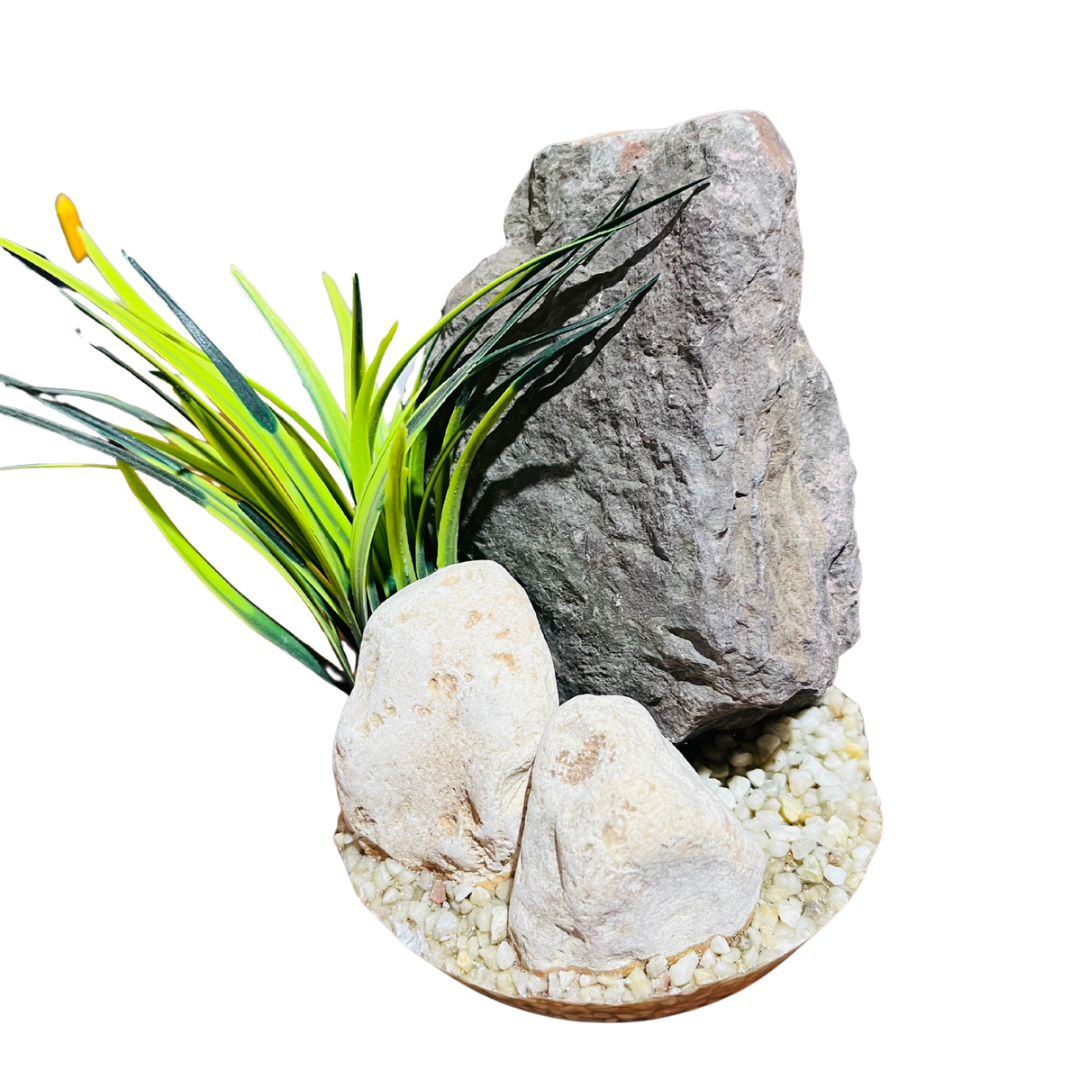
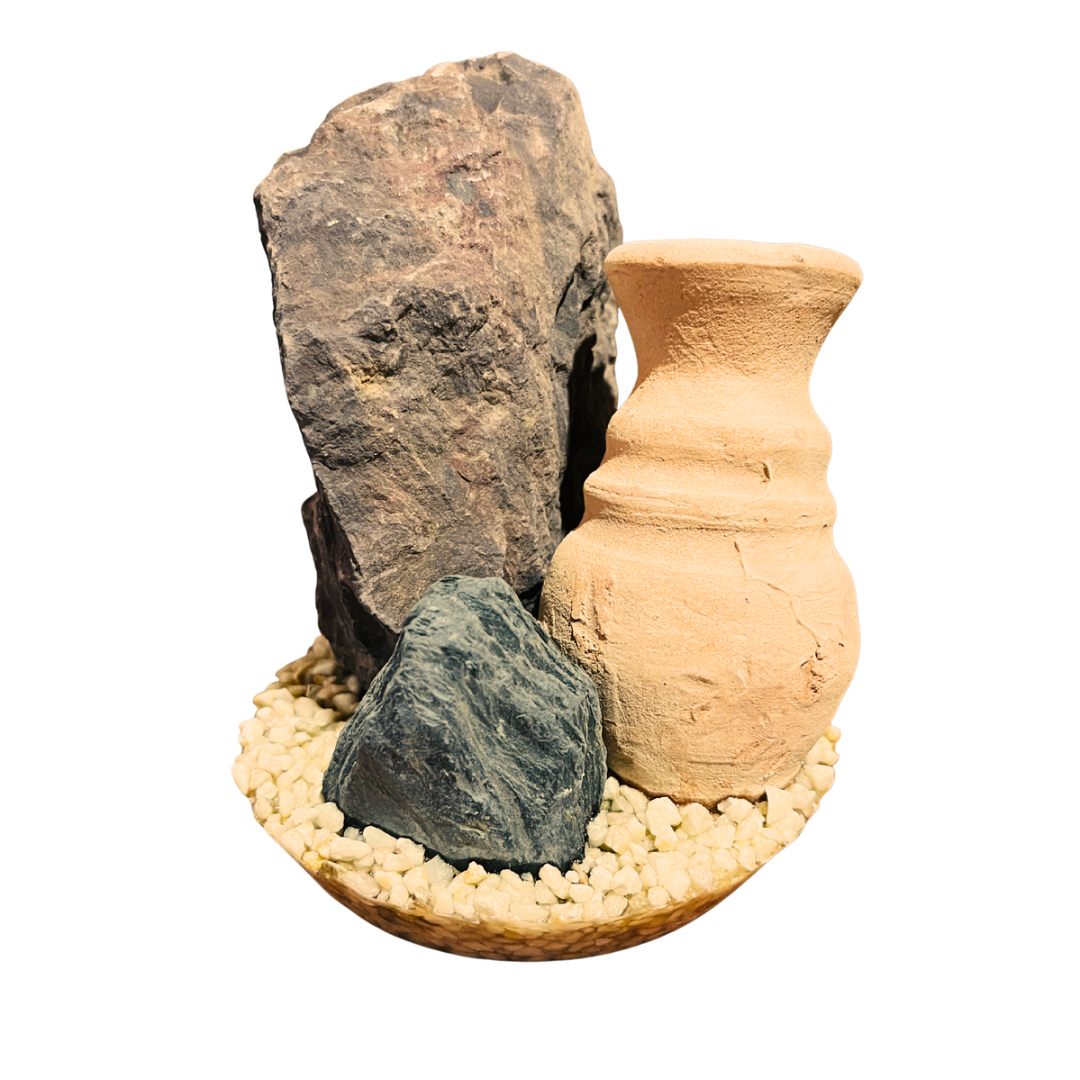
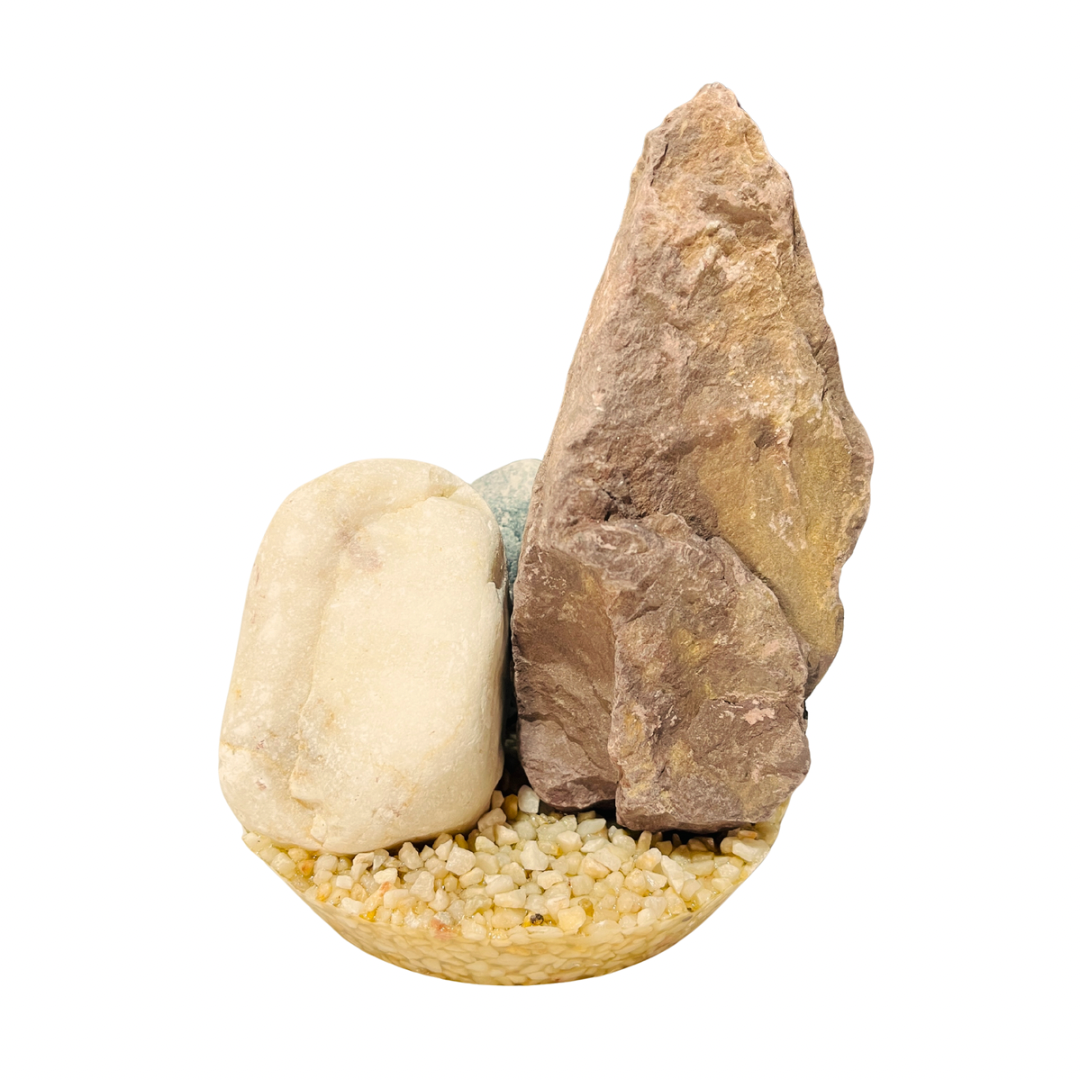
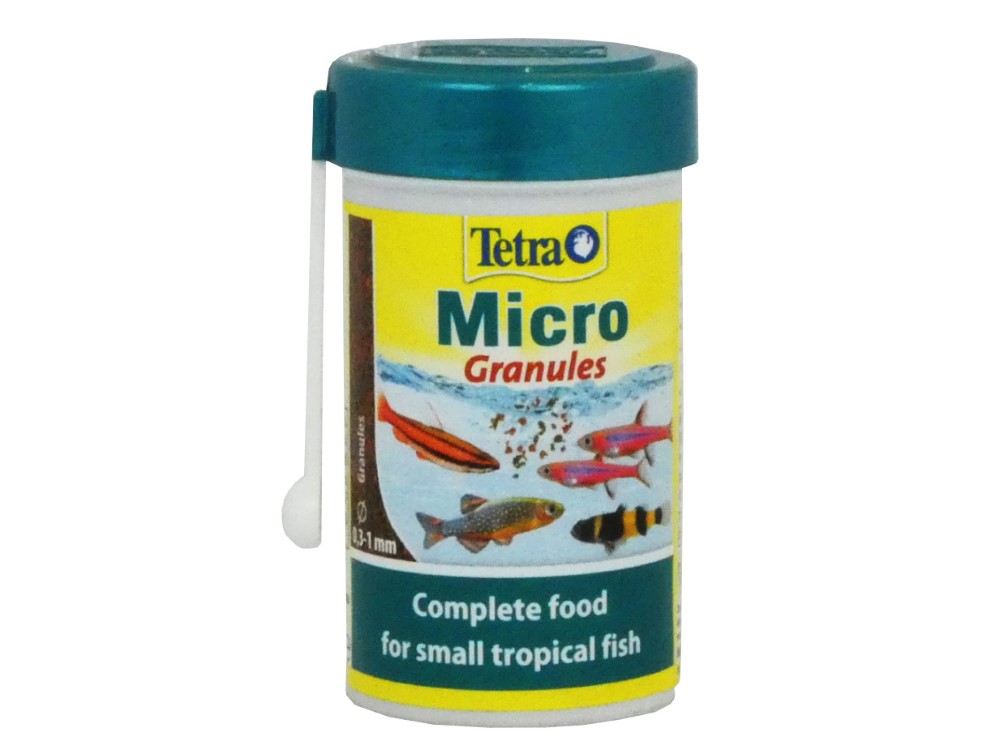
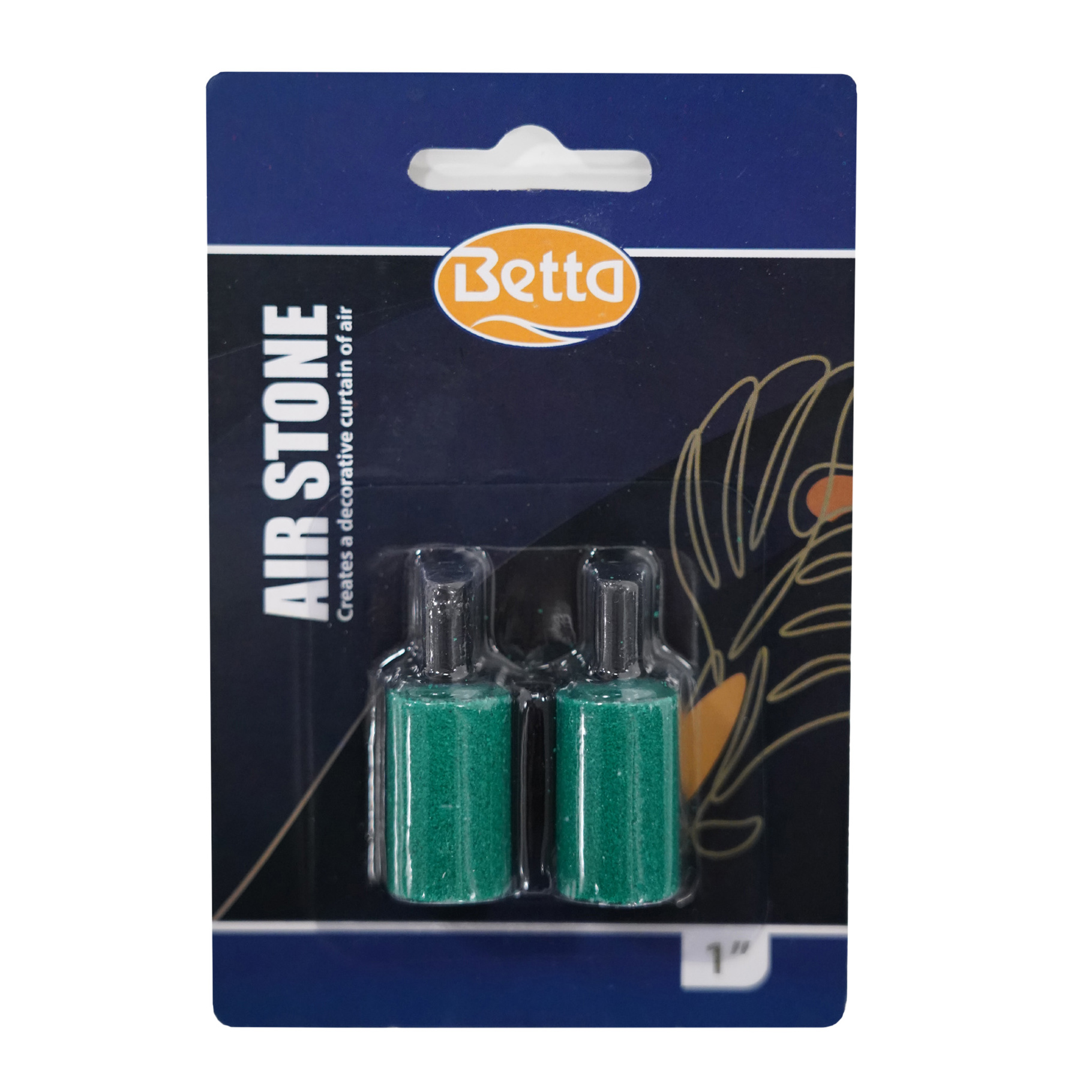
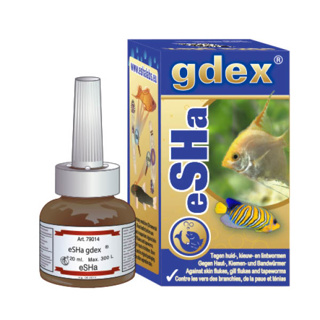
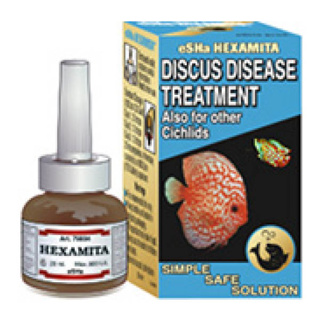
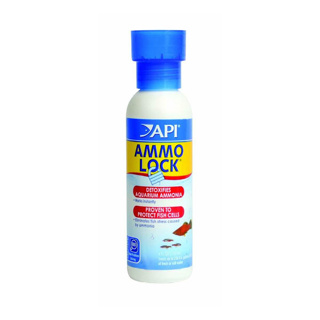
Look What's New



What products do you stock at Dec’s Pets Fish Shop?
Browse our most popular fish categories:

Your questions answered (FAQs)
The best beginner fish for Irish aquarists are goldfish, white cloud mountain minnows, zebra danios, and platies. Goldfish are extremely hardy and can tolerate Ireland’s cooler room temperatures (18-22°C) without a heater, making them ideal for children and first-time fish keepers. For tropical setups, platies and guppies are excellent choices – they’re forgiving of water parameter fluctuations, breed easily, and are peaceful community fish. Start with a proper-sized tank (minimum 60 litres for goldfish, 40 litres for tropical community), cycle it for 4-6 weeks before adding fish, and begin with just 2-3 fish. Avoid bettas for complete beginners as they require stable warm temperatures and pristine water quality.
Setting up your first aquarium in Ireland requires 6 key steps: 1) Choose an appropriate tank size (minimum 40-60 litres – larger tanks are more stable and easier to maintain), 2) Install equipment (filter, heater if tropical, lighting), 3) Add substrate (gravel or sand) and decorations, 4) Fill with dechlorinated water (Irish tap water contains chlorine that must be removed with water conditioner), 5) Cycle the tank for 4-6 weeks to establish beneficial bacteria (add ammonia source or use filter starter bacteria), 6) Test water parameters (ammonia 0ppm, nitrite 0ppm, nitrate under 20ppm) before adding fish gradually. Position your tank away from direct sunlight and radiators. Our Cheeko Goldfish Starter Kits include everything you need except the fish. Never add fish on day one – cycling is essential for fish survival.
Irish tap water requires dechlorinator treatment before adding to aquariums because water authorities add chlorine and chloramine to kill bacteria. We recommend Tapsafe or API Stress Coat – both neutralize chlorine, chloramine, and heavy metals found in Irish tap water. Use dechlorinator every time you add tap water (water changes, topping up evaporation, new setups). Dosage is typically 1ml per 10 litres of water. Irish water hardness varies by region – Dublin and eastern areas have moderate hardness, western areas tend to be softer. Most common aquarium fish adapt well to Irish water parameters. For sensitive species, test your tap water’s pH, GH, and KH, then adjust if needed. Always match new water temperature to tank temperature (within 1-2°C) during water changes.
Feed adult fish once or twice daily, only as much as they can consume in 2-3 minutes. Overfeeding is the number one mistake new fish keepers make – it causes water quality problems, algae blooms, and fish health issues. For goldfish, feed once daily (they’re greedy eaters and will always act hungry). Tropical community fish do well with small feedings twice daily. Fry (baby fish) need 3-4 small feedings daily. Use species-appropriate food – goldfish flakes for goldfish, tropical flakes for tropical fish, sinking pellets for bottom feeders. Vary diet with occasional treats like freeze-dried bloodworms or brine shrimp. It’s better to underfeed than overfeed. If you’re away for a weekend, adult fish can easily go 2-3 days without food. For longer holidays, use automatic feeders or feeding blocks, but don’t overfeed before leaving.
Change 20-30% of aquarium water weekly for most setups. This removes accumulated nitrates, replenishes minerals, and maintains water quality. For heavily stocked tanks or those with large fish, increase to 30-40% weekly. For lightly stocked, well-planted tanks, 20% fortnightly may suffice. Use a gravel vacuum to remove debris from substrate during water changes. Always treat new tap water with dechlorinator before adding to the tank. Match the temperature of new water to tank water (within 1-2°C). Never change more than 50% at once as this can shock fish. In Ireland’s soft water areas (west coast), consider adding minerals for fish that prefer harder water. Test water parameters (ammonia, nitrite, nitrate, pH) weekly until you establish a routine, then monthly for maintenance. If nitrates exceed 40ppm, increase water change frequency.
Goldfish need minimum 60 litres for the first fish, plus 30 litres for each additional goldfish. The common myth that goldfish can live in bowls is false and causes suffering – goldfish produce high waste, grow to 15-30cm, and need proper filtration. For two goldfish, a 90-100 litre tank is ideal. Fancy goldfish (orandas, ranchus, black moors) can manage in slightly smaller tanks (50 litres for one) as they’re less active, but common/comet goldfish need large tanks or are better suited to outdoor ponds. In Ireland’s cooler homes (18-22°C room temperature), goldfish thrive without heaters. Provide strong filtration (goldfish are messy), weekly water changes, and avoid sharp decorations that can damage their delicate fins. Goldfish can live 10-20 years with proper care, so invest in an appropriately sized tank from the start.
Yes, tropical fish require stable temperatures of 24-27°C, which Irish homes don’t naturally maintain. Irish room temperatures typically range from 18-22°C (lower in winter, higher in summer), so an aquarium heater is essential for tropical species like guppies, tetras, angelfish, and bettas. Choose a heater rated at 1 watt per litre of water (e.g., 100-watt heater for a 100-litre tank). Use an aquarium thermometer to monitor temperature daily. Position the heater near water flow from your filter for even heat distribution. Heaters can fail, so check regularly – sudden temperature drops stress fish and cause disease. For species-only goldfish or white cloud mountain minnow tanks, heaters aren’t necessary as these are cold-water fish. If your home gets very cold in winter (below 15°C), even goldfish benefit from a low-temperature heater set to 18°C.
Algae growth in aquariums is normal but excessive algae indicates imbalance. Control algae through: 1) Reduce lighting to 6-8 hours daily (Irish homes get variable natural light – avoid placing tanks in direct sunlight), 2) Perform regular water changes (20-30% weekly) to remove excess nutrients, 3) Don’t overfeed fish (uneaten food fuels algae), 4) Add live plants (they compete with algae for nutrients), 5) Clean glass weekly with an algae scraper, 6) Reduce phosphates and nitrates through water changes and proper filtration. For stubborn algae, use algae treatments like Tetra AlgoFin (for blanketweed) or add algae-eating fish (plecos, otocinclus, siamese algae eaters). Green water algae blooms respond to UV sterilizers or 3-day blackout (cover tank completely). Brown algae (diatoms) are common in new tanks and usually disappear within 3-4 weeks as the tank matures. Never use household cleaners near aquariums.
The nitrogen cycle is the biological process that makes aquariums safe for fish. Fish produce ammonia (toxic) through waste and respiration. Beneficial bacteria (Nitrosomonas) convert ammonia to nitrite (also toxic). Different bacteria (Nitrobacter) convert nitrite to nitrate (much less toxic). This process takes 4-6 weeks to establish in new tanks – called “cycling.” During cycling, ammonia and nitrite levels spike then drop to zero as bacteria colonies grow. Only when both read 0ppm consistently is the tank safe for fish. To cycle a new tank: add ammonia source (pure ammonia or fish food), test water daily, wait for ammonia spike then drop, wait for nitrite spike then drop, confirm both stay at 0ppm for a week. Use filter bacteria starters like Evolution Aqua Pure Filter Start Gel to speed the process. In Ireland’s cooler temperatures, cycling may take longer. Never add fish to uncycled tanks – ammonia and nitrite burn gills and cause death. “Fish-in” cycling is stressful and risky.
Yes, Ireland’s temperate climate is excellent for outdoor ponds. Our mild winters (average 5-8°C) mean ponds rarely freeze completely, and cool summers (15-20°C) keep water oxygenated. Best pond fish for Ireland include goldfish, shubunkins, comets, and koi (koi need large ponds, minimum 5,000 litres). Pond care in Ireland: Spring (March-April) – restart feeding as temperature rises above 10°C, check equipment, perform water changes. Summer (May-August) – feed 2-3 times daily, monitor for algae (blanketweed is common in Irish ponds), maintain good aeration. Autumn (September-October) – switch to wheat germ-based food, remove fallen leaves, prepare for winter. Winter (November-February) – stop feeding when temperature drops below 8°C, keep a small area ice-free for gas exchange, don’t break ice by hitting (shockwaves harm fish). Use barley straw products like Blagdon Pond Barley Straw for natural algae control. Irish ponds benefit from partial shade to prevent excessive algae growth during sunny periods.
White spot (Ichthyophthirius, or “ich”) is the most common fish disease in Ireland, caused by a parasite that appears as white salt-like spots on fish bodies and fins. It’s triggered by stress (temperature fluctuations, poor water quality, new fish introduction) and spreads rapidly in aquariums. Symptoms include white spots, flashing (rubbing against objects), clamped fins, and rapid breathing. Treatment: 1) Raise temperature to 28°C (speeds up parasite lifecycle), 2) Add white spot treatment like NT Labs Methylene Blue, 3) Increase aeration (warmer water holds less oxygen), 4) Remove carbon from filter (it absorbs medication), 5) Treat for full course (usually 5-7 days), 6) Perform water changes after treatment. The parasite has a lifecycle – only the free-swimming stage is vulnerable to treatment, so full treatment duration is essential. Prevention: quarantine new fish for 2 weeks, maintain stable temperature, keep water quality high, avoid overcrowding. In Ireland’s variable temperatures, use reliable heaters and avoid placing tanks near draughty windows or doors.
Follow the rule of 1cm of adult fish length per litre of water as a starting guideline, but consider other factors. A 60-litre tank can support approximately 60cm of fish (e.g., 10 neon tetras at 4cm each, plus 2 corydoras at 5cm each = 50cm total). However, this rule has limitations: 1) Goldfish produce more waste than tropical fish – they need more space, 2) Territorial fish need more room regardless of size, 3) Active swimmers need longer tanks, 4) Tall fish need taller tanks. Better approach: research each species’ specific requirements, consider adult size (not purchase size), account for bioload (waste production), ensure adequate filtration, and stock gradually over months. Overstocking causes stress, aggression, poor water quality, and disease. It’s better to understock than overstock. For Irish beginners, start with 50-75% of maximum capacity and monitor water parameters. Well-filtered, planted tanks with regular maintenance can support slightly higher stocking than bare tanks.
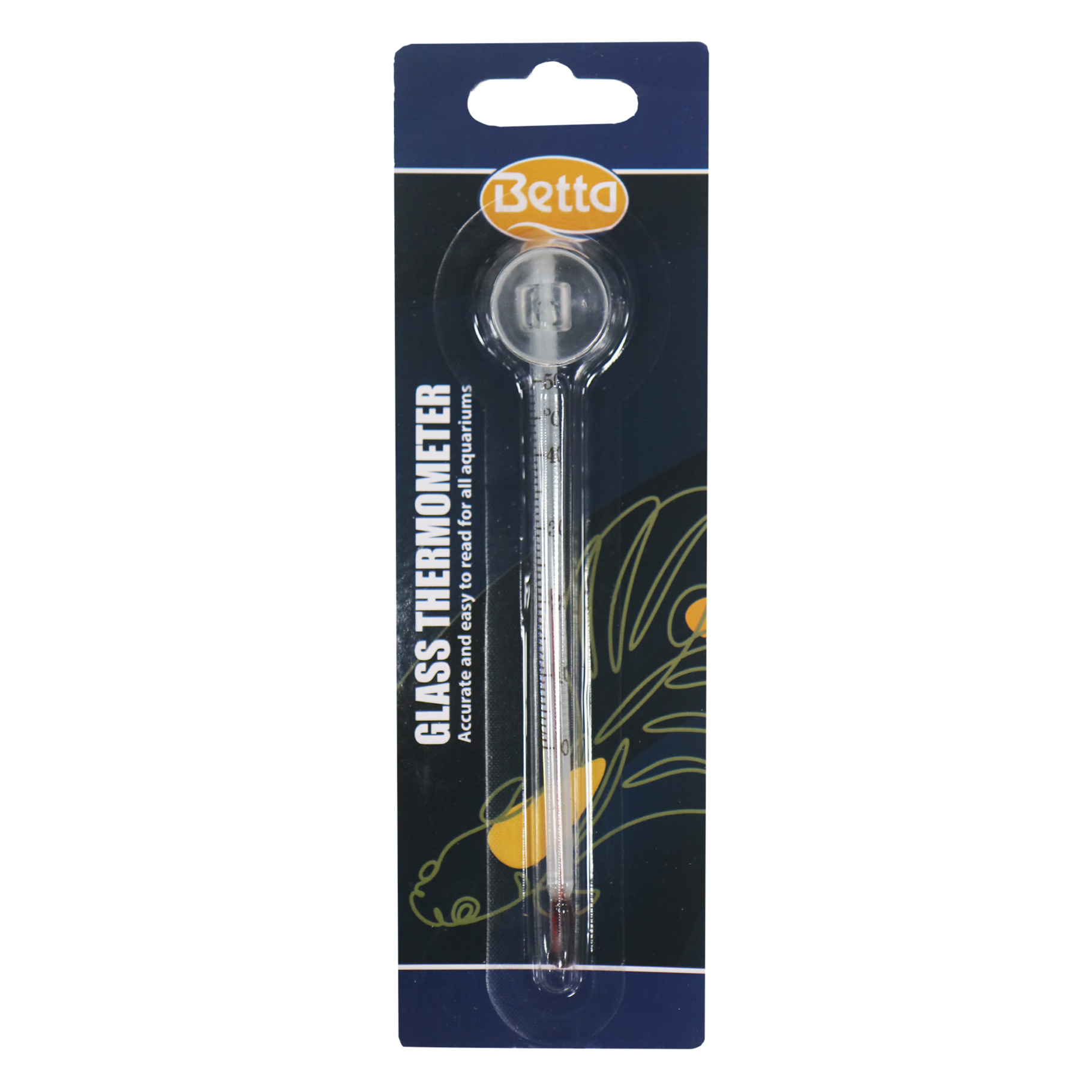
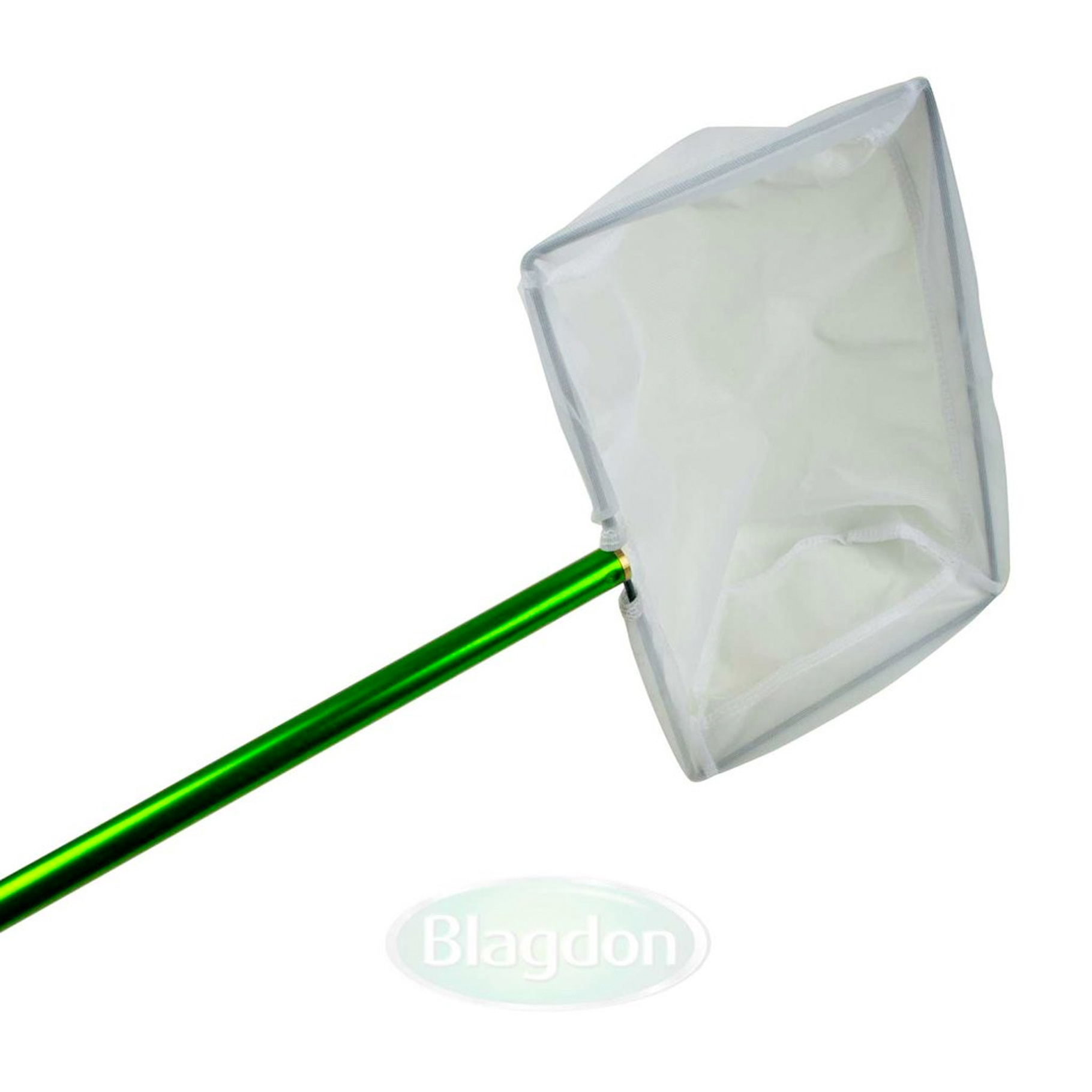
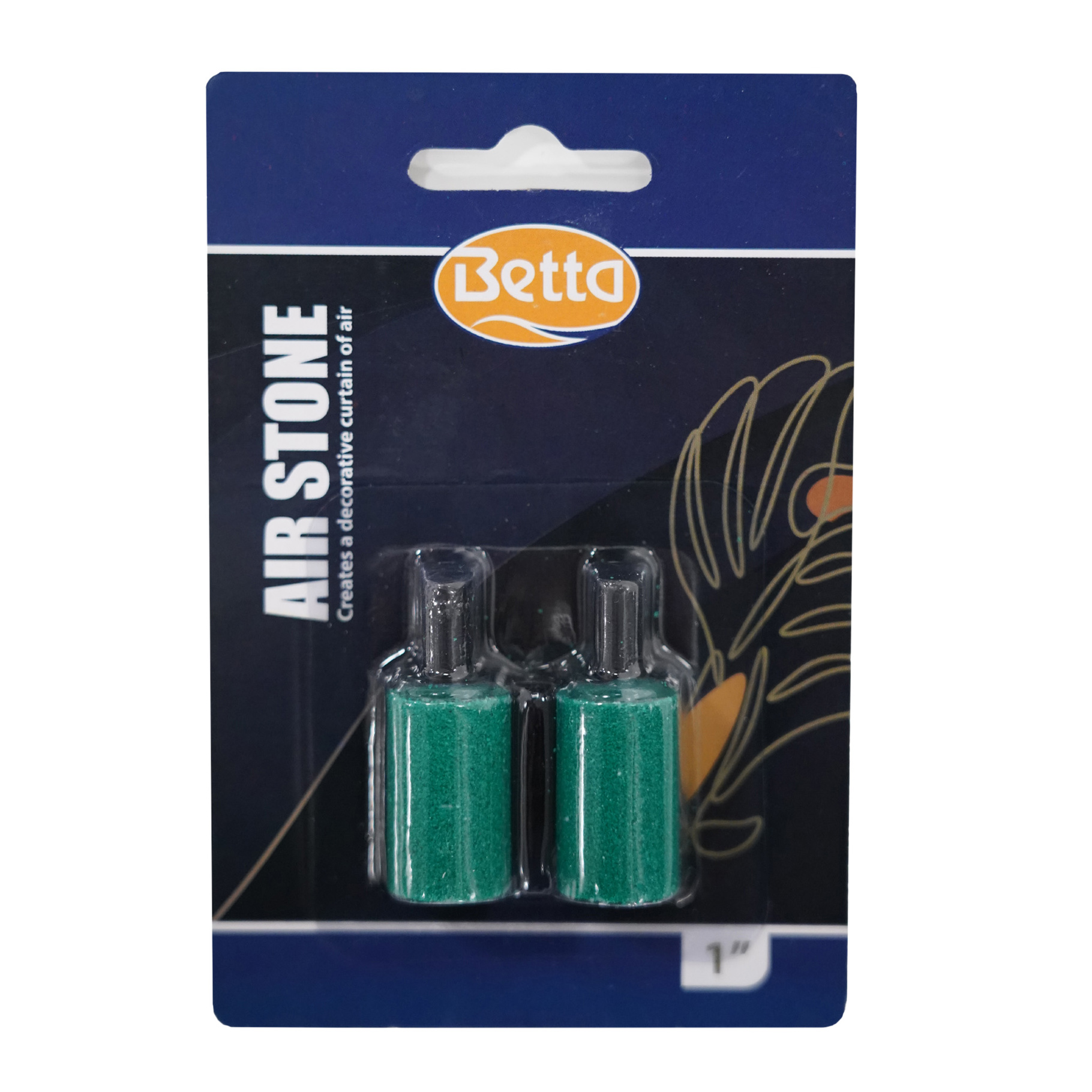
Essential tropical aquarium equipment includes: 1) Tank (minimum 40-60 litres for beginners), 2) Filter (internal or external, rated for your tank size – in Ireland’s cooler homes, canister filters are excellent), 3) Heater (1 watt per litre, essential as Irish room temps are too cool for tropical fish), 4) Thermometer (monitor temperature daily), 5) Lighting (LED lights, 6-8 hours daily), 6) Substrate (gravel or sand), 7) Water conditioner (for Irish chlorinated tap water), 8) Test kit (ammonia, nitrite, nitrate, pH), 9) Net (for catching fish), 10) Gravel vacuum (for water changes). Optional but beneficial: air pump and airstone (extra oxygenation), aquarium background (reduces stress), timer for lights (consistency), plants (live or artificial). Budget €150-250 for a complete 60-80 litre tropical setup. Buy complete starter kits to save money. Avoid tiny tanks (under 20 litres) – they’re difficult to maintain stable parameters. Quality equipment lasts years, so invest wisely from the start.
Properly acclimate new fish to prevent shock and disease: 1) Quarantine (ideal but often skipped) – keep new fish in a separate tank for 2 weeks to monitor for disease, 2) Float the bag – place sealed bag in your tank for 15-20 minutes to equalize temperature, 3) Drip acclimation – open bag, add 50ml of tank water every 5 minutes for 30-45 minutes (this gradually adjusts fish to your water chemistry), 4) Net transfer – use a net to move fish (don’t add pet shop water to your tank – it may contain disease or parasites), 5) Lights off – keep lights off for 2-3 hours to reduce stress, 6) Monitor – watch for signs of stress (rapid breathing, hiding, aggression from existing fish). Don’t feed new fish for 24 hours. Add new fish gradually (2-3 at a time over weeks, not all at once) to allow your biological filter to adjust. In Ireland, transport fish in insulated bags during winter to prevent temperature shock. Never release unwanted fish into Irish waterways – it’s illegal and harms native ecosystems.
Cloudy water in new aquariums is extremely common in Ireland and usually harmless. There are two types: Bacterial bloom (milky white cloudiness) occurs in new tanks during cycling as beneficial bacteria multiply rapidly. This is normal and clears within 3-7 days as the bacterial colony stabilizes. Don’t change water or add chemicals – let it resolve naturally. Substrate cloudiness (grey/brown cloudiness) happens when gravel or sand wasn’t rinsed thoroughly before adding to the tank. This settles within 24-48 hours with good filtration. To prevent: rinse substrate in a bucket until water runs clear (this can take 10-15 rinses for some gravels). If cloudiness persists beyond a week, check: 1) Are you overfeeding? (excess food causes bacterial blooms), 2) Is your filter working properly?, 3) Did you add too many fish too quickly? Green cloudy water indicates algae bloom – reduce lighting to 6 hours daily and perform water changes. For persistent cloudiness, use water clarifiers sparingly. Patience is key – new tanks take 4-8 weeks to fully stabilize.
Yes, we deliver all fish and aquatic supplies nationwide across Ireland with free delivery on orders over €45. Most orders arrive within 1-2 business days. We stock everything from fish food and water treatments to complete aquarium setups and pond maintenance products. For regular supplies like fish food, water conditioners, and filter media, use our Subscribe & Save service to get automatic deliveries and save 10% on every order. This ensures you never run out of essential products and maintains consistency in your fish care routine. We cannot ship live fish (collection only for livestock), but all equipment, food, treatments, and accessories are available for delivery. Need advice on product selection? Our team provides free expert guidance for Irish fish keepers – just contact us before ordering.